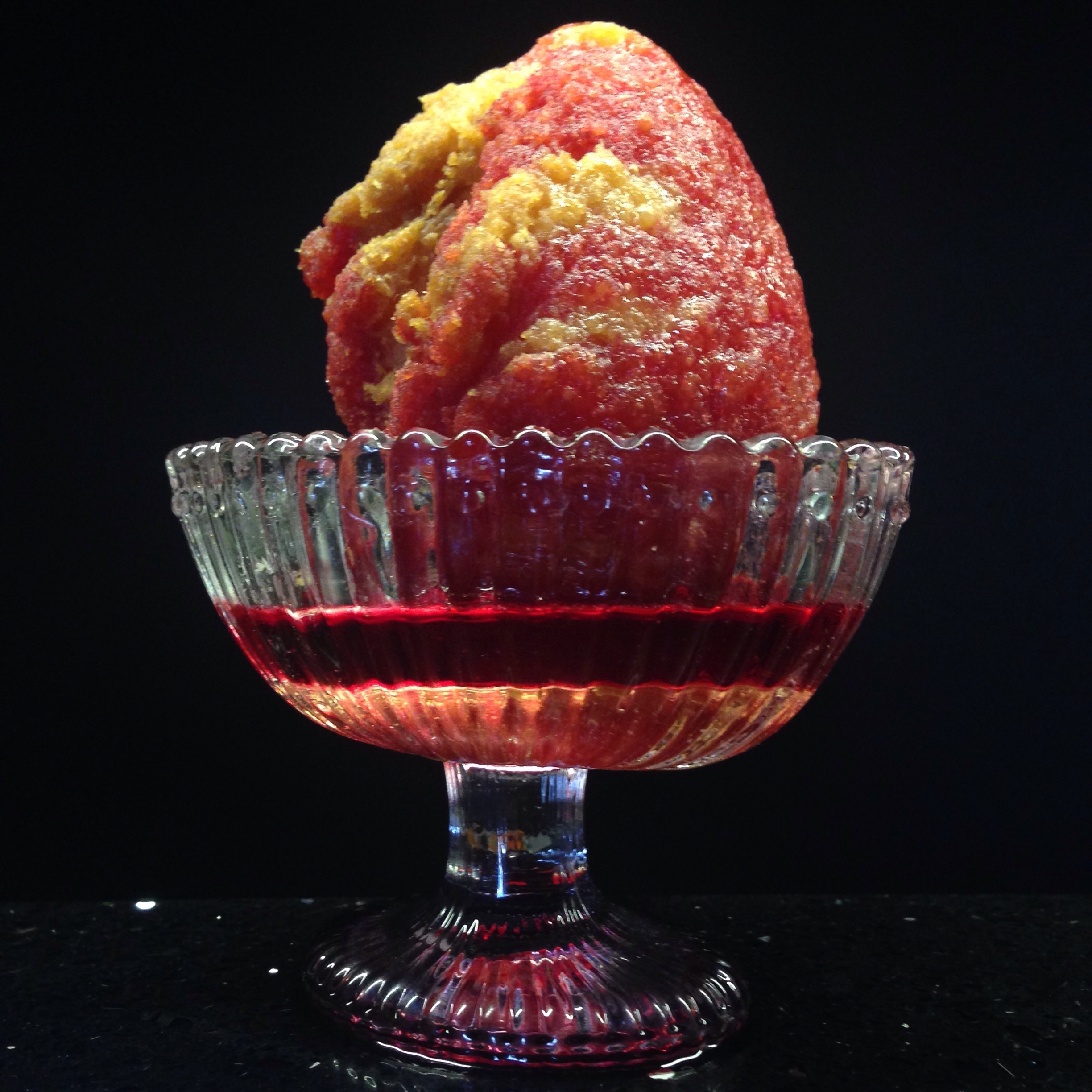
Gli stuffoli, non gli struffoli
Una frittella umbra morbida e generosa, nata nella cucina di casa e legata al tempo eccezionale del Carnevale.
Prima pubblicazione: 7 febbraio 2015 alle 16:35 · Riletta nel 2026Stuffoli, not struffoli
A generous, soft Umbrian fritter born in the home kitchen and tied to the exceptional season of Carnival.
First published: 7 February 2015 at 16:35 · Revisited in 2026Stuffoli, nicht Struffoli
Ein großer, weicher umbrischer Löffelkrapfen aus der Hausküche, verbunden mit der besonderen Zeit des Karnevals.
Erstveröffentlichung: 7. Februar 2015 um 16:35 · 2026 neu gelesen
Il Carnevale precede la Quaresima e rappresenta tradizionalmente il momento dell’abbondanza prima dell’astinenza. Il fritto rende visibile questa eccezione: è caldo, profumato, immediato e ricco.
Molti dolci carnevaleschi italiani condividono ingredienti semplici — farina, uova, zucchero, grasso e liquori — ma assumono forme e nomi locali. La povertà degli ingredienti non significa povertà culturale: la tecnica trasforma una dispensa essenziale in un cibo festivo.
Nella società rurale la fine dell’inverno coincideva con la disponibilità dello strutto ottenuto dalla lavorazione del maiale. Friggere prima della Quaresima significava anche consumare un grasso prezioso prima dell’arrivo della stagione più calda.
La frittura era adatta alla festa collettiva: permetteva di produrre molti dolci, condividerli ancora caldi e riempire casa e strada di un odore immediatamente riconoscibile.
Un nome che cambia il dolce
Stuffoli, strufoli e struffoli possono apparire come semplici varianti ortografiche, ma non identificano sempre la stessa preparazione. In questa pagina il nome indica la frittella umbra grande, gonfia e morbida, porzionata con il cucchiaio. Gli struffoli campani sono invece piccoli frammenti di pasta fritta, generalmente riuniti con miele in una composizione.
La misura della cucina di casa
La ricetta del 2015 conserva una caratteristica essenziale: otto uova, otto cucchiai, sedici cucchiai. Non è soltanto mancanza di bilancia; è un sistema mnemonico familiare. La consistenza veniva riconosciuta con gli occhi e con il cucchiaio, mentre la temperatura dell’olio si leggeva dal movimento e dal colore del fritto.
Due ricette, due modi di custodire la memoria
Gli stuffoli — versione casalinga
Di seguito le dosi del ricettario di famiglia. Rigorosamente senza bilancia!
Ingredienti
- 8 uova medie
- 8 cucchiaini di latte
- 8 cucchiai di olio extravergine d’oliva
- 8 cucchiai di zucchero
- 16 cucchiai di farina
- 1 bicchierino di mistrà
- 16 g lievito per dolci, 1 cartina Paneangeli
Per il servizio
- miele
- alchermes
- zucchero semolato
Per la frittura
- 3 l olio di semi di arachidi
Preparazione originale
Prendete tutti gli ingredienti, tranne l’olio, il miele e l’alchermes, e impastateli energicamente fino a raggiungere un composto consistente ma che si lavori con il cucchiaio. Lasciate riposare l’impasto per circa un’ora. Riscaldate abbondante olio in una padella. Staccate una cucchiaiata di impasto e gettatela nell’olio bollente. Estraete gli stuffoli quando saranno ben gonfi e dorati e adagiateli su carta assorbente. Quando saranno tutti fritti, spruzzateli con alchermes e fatevi colare abbondante miele, precedentemente sciolto a bagnomaria.
Stuffoli umbri — versione moderna pesata
circa 24–28 pezziIngredienti
- 400 g uova intere sgusciate, circa 8 uova medie
- 250 g farina 00, 10–11% proteine
- 100 g zucchero semolato
- 90 g olio extravergine di oliva dal fruttato delicato
- 40 g latte intero
- 30 g mistrà
- 16 g lievito per dolci
- 3 g sale fino
- 3 g scorza di limone finemente grattugiata, facoltativa
Per finire e friggere
- 180 g miele di acacia o millefiori
- 50 g alchermes
- 40 g zucchero semolato
- 2 l olio di arachide per friggere, quantità variabile secondo il recipiente
Procedimento
- Portare uova, latte e mistrà a temperatura ambiente. Setacciare insieme farina e lievito.
- Montare uova e zucchero per 4–5 minuti, fino a ottenere una massa chiara e leggermente aerata, ma non rigida come un pan di Spagna.
- Unire a filo l’olio, poi latte, mistrà, sale e scorza di limone.
- Incorporare farina e lievito con una frusta a mano. L’impasto deve cadere dal cucchiaio in un nastro spesso e discontinuo: non liquido, ma nemmeno lavorabile con le mani.
- Coprire e riposare 45–60 minuti. Il riposo idrata la farina e rende più regolare lo sviluppo in frittura.
- Scaldare l’olio in una casseruola profonda a 155–160°C. Preparare due cucchiai leggermente unti.
- Prelevare porzioni da 28–32 g e farle scivolare nell’olio. Friggere pochi pezzi alla volta per 6–8 minuti, girandoli spesso.
- Mantenere l’olio tra 155 e 165°C. Se colora subito, l’interno resterà crudo; se la temperatura è troppo bassa, il dolce assorbirà grasso.
- Scolare quando gli stuffoli sono gonfi, uniformemente dorati e raggiungono almeno 94–96°C al cuore. Lasciare sgocciolare su griglia o carta.
- Scaldare il miele a 45–50°C, senza bollirlo. Servire una parte degli stuffoli con miele, una parte con alchermes e zucchero, oppure combinare le due finiture secondo l’uso familiare.
Cultura gastronomica
- Gli stuffoli umbri sono grandi frittelle morbide e irregolari, formate con il cucchiaio. Non sono le piccole palline di pasta fritta e mielata note come struffoli nella tradizione campana.
- La forma non deve essere perfetta: la superficie irregolare aumenta le zone dorate e trattiene miele e alchermes.
- Il mistrà porta l’aroma dell’anice, molto presente nei dolci dell’Italia centrale. Durante la frittura una parte dell’alcol evapora, mentre resta il profilo aromatico.
- Lo strutto appartiene alla memoria domestica e al calendario contadino: la frittura ricca precedeva la Quaresima e utilizzava uno dei grassi disponibili dopo la lavorazione invernale del maiale.
- Il miele non è soltanto una copertura dolce: lega il fritto alla tradizione più antica dei dolci mediterranei, precedente alla diffusione popolare dello zucchero raffinato.
- L’alchermes aggiunge colore, profumo speziato e una dimensione festiva. È un segno visivo del Carnevale: eccesso, trasformazione e temporanea sospensione della normalità.
Buon Carnevale da Andrea Sposini, chef umbro oggi a Colonia: una città in cui il Carnevale non è soltanto una festa, ma un linguaggio collettivo fatto di strada, travestimento, musica e convivialità.
Carnival comes before Lent and traditionally represents abundance before abstinence. Frying makes that exception visible: hot, fragrant, immediate and rich.
Many Italian Carnival sweets share simple ingredients — flour, eggs, sugar, fat and spirits — but take on local names and forms. Modest ingredients do not imply modest culture: technique turns a basic pantry into celebration.
In rural society, late winter coincided with lard produced during pig processing. Frying before Lent also meant using a valuable fat before warmer weather arrived.
Frying suited collective celebration: many sweets could be produced, shared while hot, and identified by an aroma that filled both house and street.
A name that changes the sweet
Stuffoli, strufoli and struffoli may look like spelling variations, but they do not always describe the same food. Here the name means the large, soft, puffed Umbrian fritter portioned with a spoon. Campanian struffoli are small pieces of fried dough generally joined with honey.
The measurements of home cooking
The 2015 family recipe preserves an essential feature: eight eggs, eight spoonfuls and sixteen spoonfuls. This is not merely cooking without scales; it is a family memory system. Texture was judged by eye and spoon, while oil temperature was read through movement and colour.
Two recipes, two ways of preserving memory
Stuffoli — the home version
The quantities from the family recipe book, strictly without scales.
Ingredients
- 8 medium eggs
- 8 teaspoons milk
- 8 tablespoons extra-virgin olive oil
- 8 tablespoons sugar
- 16 tablespoons flour
- 1 small glass mistrà
- 16 g baking powder
For serving
- honey
- alchermes
- caster sugar
For frying
- 3 l peanut oil
Original method
Mix all ingredients except frying oil, honey and alchermes vigorously, until the batter is firm but can still be worked with a spoon. Rest for about one hour. Heat abundant oil, drop in spoonfuls of batter and fry until puffed and golden. Drain on absorbent paper, sprinkle with alchermes and pour over warmed honey.
Umbrian stuffoli — modern weighted recipe
about 24–28 piecesIngredients
- 400 g whole eggs, without shells, about 8 medium eggs
- 250 g Italian 00 flour, 10–11% protein
- 100 g caster sugar
- 90 g mild extra-virgin olive oil
- 40 g whole milk
- 30 g mistrà, an anise-flavoured spirit
- 16 g baking powder
- 3 g fine salt
- 3 g finely grated lemon zest, optional
For finishing and frying
- 180 g acacia or wildflower honey
- 50 g alchermes
- 40 g caster sugar
- 2 l peanut oil for frying, adjusted to the pan
Method
- Bring eggs, milk and mistrà to room temperature. Sift flour and baking powder together.
- Whip eggs and sugar for 4–5 minutes until pale and lightly aerated, but not as stiff as a sponge-cake mixture.
- Slowly add the oil, followed by milk, mistrà, salt and lemon zest.
- Fold in flour and baking powder with a hand whisk. The batter should fall from a spoon in a thick, broken ribbon: neither runny nor firm enough to knead.
- Cover and rest for 45–60 minutes. Resting hydrates the flour and supports more even expansion during frying.
- Heat the oil in a deep pan to 155–160°C. Lightly oil two spoons.
- Drop 28–32 g portions into the oil. Fry only a few at a time for 6–8 minutes, turning frequently.
- Keep the oil between 155 and 165°C. If the outside colours immediately, the centre will remain raw; if too cool, the fritter will absorb excessive oil.
- Drain when puffed and evenly golden, with an internal temperature of at least 94–96°C. Rest on a rack or absorbent paper.
- Warm the honey to 45–50°C without boiling. Finish some with honey, others with alchermes and sugar, or combine both according to family custom.
Food culture
- Umbrian stuffoli are large, soft, irregular spoon-dropped fritters. They are distinct from the tiny honey-coated fried dough balls known as struffoli in the Campanian tradition.
- The shape should not be perfect: an uneven surface creates more golden edges and holds honey and alchermes.
- Mistrà provides the anise aroma found in many sweets of central Italy. Much of the alcohol evaporates during frying, while the aromatic character remains.
- Lard belongs to domestic memory and the rural calendar: rich frying came before Lent and used a fat available after the winter processing of pork.
- Honey is more than a sweet topping. It connects the fritter to an older Mediterranean sweet tradition that predates the widespread use of refined sugar.
- Alchermes adds colour, spice and theatricality. Visually it expresses the Carnival world of excess, transformation and temporary suspension of everyday rules.
Happy Carnival from Andrea Sposini, an Umbrian chef now based in Cologne, a city where Carnival is not merely a celebration but a collective language of streets, costume, music and conviviality.
Der Karneval liegt vor der Fastenzeit und steht traditionell für Fülle vor dem Verzicht. Das Frittieren macht diese Ausnahme sichtbar: heiß, duftend, unmittelbar und reichhaltig.
Viele italienische Karnevalsgebäcke teilen einfache Zutaten — Mehl, Eier, Zucker, Fett und Spirituosen — entwickeln jedoch lokale Namen und Formen. Einfache Zutaten bedeuten keine einfache Kultur: Technik verwandelt einen bescheidenen Vorrat in Festessen.
In der ländlichen Gesellschaft fiel das Ende des Winters mit dem Schmalz aus der Schweineverarbeitung zusammen. Vor der Fastenzeit zu frittieren hieß auch, ein kostbares Fett vor der wärmeren Jahreszeit zu nutzen.
Frittieren eignete sich für gemeinsames Feiern: Viele Gebäcke konnten hergestellt, heiß geteilt und durch einen Duft erkannt werden, der Haus und Straße erfüllte.
Ein Name verändert das Gebäck
Stuffoli, strufoli und struffoli wirken wie bloße Schreibvarianten, bezeichnen aber nicht immer dieselbe Speise. Hier meint der Name den großen, weichen, aufgegangenen umbrischen Löffelkrapfen. Kampanische Struffoli bestehen dagegen aus kleinen frittierten Teigstücken, die meist mit Honig verbunden werden.
Das Maß der Hausküche
Das Familienrezept von 2015 bewahrt ein wesentliches Merkmal: acht Eier, acht Löffel und sechzehn Löffel. Das ist nicht nur Kochen ohne Waage, sondern ein familiäres Gedächtnissystem. Die Konsistenz wurde mit Auge und Löffel erkannt, die Öltemperatur an Bewegung und Farbe.
Zwei Rezepte, zwei Arten Erinnerung zu bewahren
Stuffoli — die häusliche Version
Die Mengen aus dem Familienrezeptbuch – selbstverständlich ohne Waage.
Zutaten
- 8 mittelgroße Eier
- 8 Teelöffel Milch
- 8 Esslöffel natives Olivenöl extra
- 8 Esslöffel Zucker
- 16 Esslöffel Mehl
- 1 kleines Glas Mistrà
- 16 g Backpulver
Zum Servieren
- Honig
- Alchermes
- feiner Zucker
Zum Frittieren
- 3 l Erdnussöl
Ursprüngliche Zubereitung
Alle Zutaten außer Frittieröl, Honig und Alchermes kräftig mischen, bis ein fester, aber mit dem Löffel formbarer Teig entsteht. Etwa eine Stunde ruhen lassen. Reichlich Öl erhitzen, löffelweise Teig hineingeben und frittieren, bis die Stuffoli aufgegangen und goldbraun sind. Abtropfen lassen, mit Alchermes besprenkeln und mit erwärmtem Honig überziehen.
Umbrische Stuffoli — moderne Rezeptur in Gramm
ca. 24–28 StückZutaten
- 400 g ganze Eier ohne Schale, ca. 8 mittelgroße Eier
- 250 g italienisches Weizenmehl Type 00, 10–11% Protein
- 100 g feiner Zucker
- 90 g mildes natives Olivenöl extra
- 40 g Vollmilch
- 30 g Mistrà, ein Anisschnaps
- 16 g Backpulver
- 3 g feines Salz
- 3 g fein geriebene Zitronenschale, optional
Zum Fertigstellen und Frittieren
- 180 g Akazien- oder Blütenhonig
- 50 g Alchermes
- 40 g feiner Zucker
- 2 l Erdnussöl zum Frittieren, je nach Topf
Zubereitung
- Eier, Milch und Mistrà auf Raumtemperatur bringen. Mehl und Backpulver zusammen sieben.
- Eier und Zucker 4–5 Minuten hell und leicht luftig schlagen, jedoch nicht so fest wie für einen Biskuit.
- Öl langsam einlaufen lassen, anschließend Milch, Mistrà, Salz und Zitronenschale zugeben.
- Mehl und Backpulver mit einem Handbesen einarbeiten. Der Teig soll in einem dicken, unterbrochenen Band vom Löffel fallen: weder flüssig noch knetbar.
- Abdecken und 45–60 Minuten ruhen lassen. Die Ruhezeit hydratisiert das Mehl und unterstützt ein gleichmäßigeres Aufgehen beim Frittieren.
- Öl in einem tiefen Topf auf 155–160°C erhitzen. Zwei Löffel leicht einölen.
- Portionen von 28–32 g ins Öl gleiten lassen. Nur wenige Stücke gleichzeitig 6–8 Minuten frittieren und häufig wenden.
- Die Temperatur zwischen 155 und 165°C halten. Bräunt die Oberfläche sofort, bleibt das Innere roh; bei zu niedriger Temperatur wird zu viel Fett aufgenommen.
- Abtropfen lassen, sobald die Stuffoli aufgegangen und gleichmäßig goldbraun sind und im Inneren mindestens 94–96°C erreichen.
- Honig auf 45–50°C erwärmen, nicht kochen. Einen Teil mit Honig, einen Teil mit Alchermes und Zucker servieren oder beide Varianten nach Familientradition verbinden.
Kulinarischer Kontext
- Umbrische Stuffoli sind große, weiche und unregelmäßige Löffelkrapfen. Sie unterscheiden sich von den kleinen, mit Honig verbundenen Teigkugeln, die in Kampanien Struffoli heißen.
- Die Form soll nicht perfekt sein: Eine unregelmäßige Oberfläche schafft mehr goldbraune Stellen und hält Honig sowie Alchermes besser fest.
- Mistrà bringt das Anisaroma vieler Süßspeisen Mittelitaliens. Ein großer Teil des Alkohols verdampft beim Frittieren, das Aroma bleibt.
- Schmalz gehört zur häuslichen Erinnerung und zum bäuerlichen Kalender: Das üppige Frittieren lag vor der Fastenzeit und nutzte ein Fett, das nach der winterlichen Schweineverarbeitung vorhanden war.
- Honig ist mehr als eine süße Glasur. Er verbindet das Gebäck mit einer älteren mediterranen Süßtradition aus der Zeit vor der weiten Verbreitung raffinierten Zuckers.
- Alchermes bringt Farbe, Gewürz und Theatralik. Optisch steht er für den Karneval als Zeit des Übermaßes, der Verwandlung und der vorübergehenden Aufhebung des Alltags.
Andrea Sposini, umbrischer Koch und heute in Köln zuhause, wünscht einen frohen Karneval – in einer Stadt, in der Karneval nicht nur ein Fest, sondern eine gemeinsame Sprache aus Straße, Verkleidung, Musik und Geselligkeit ist.