
Salmone marinato a secco: dal gravlax nordico alla mia ricetta con aneto e brandy
Nel mio archivio questa preparazione compare nel 2012 come «salmone gravlax», con una marinata di sale, zucchero, aneto, pepe bianco e brandy ripetuta in tre passaggi. La riprendo oggi perché è un buon esempio di una tecnica che spesso viene confusa con l’affumicatura, ma funziona in modo completamente diverso.
Gravlax, in svedese gravad lax e in norvegese gravlaks, significa letteralmente «salmone sepolto». Il termine rimanda a pratiche scandinave antiche, quando il pesce era trattato con sale e conservato nel terreno freddo: talvolta avvenivano anche processi fermentativi. Il gravlax contemporaneo, però, non viene sepolto né fatto fermentare. È salmone crudo sottoposto a una breve cura refrigerata con sale, zucchero e aromi, soprattutto aneto.
Il sale sottrae parte dell’acqua alle fibre; con lo zucchero ne modula gusto e percezione. Cambiano consistenza, colore e sapidità: la carne diventa più compatta, affettabile, ma resta non cotta. L’aneto aggiunge la nota vegetale caratteristica del Nord Europa; pepe bianco e un poco di distillato sono una mia interpretazione, non ingredienti obbligatori della tradizione.
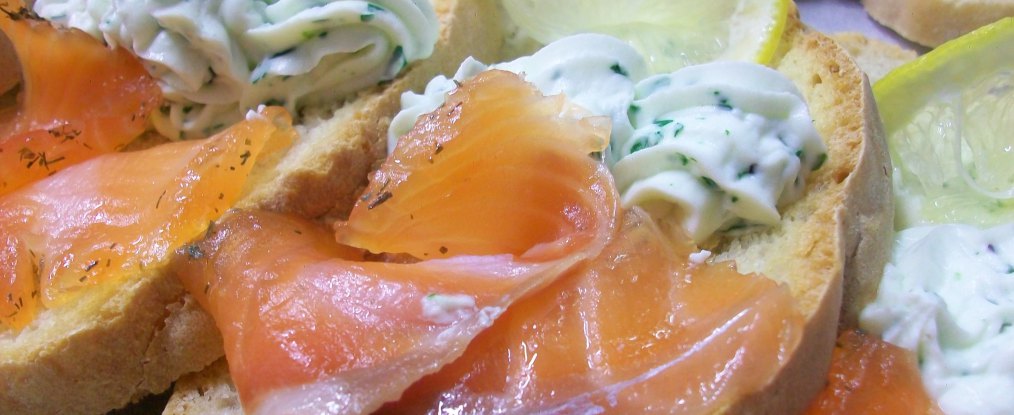
Nel tempo ho servito il salmone marinato in molti modi. Qui riprendo il servizio della ricetta originale: pane scuro di segale, una crema fresca di formaggio, prezzemolo e limone, qualche foglia di aneto. Il contrasto tra la carne compatta, l’acidità della crema e il carattere del pane è ciò che rende il piatto interessante.
Una distinzione da non perdere: gravlax, salmone affumicato e salmone cotto
Il gravlax non viene affumicato. Nel salmone affumicato a freddo interviene il fumo a bassa temperatura, senza una vera cottura; nell’affumicatura a caldo, invece, il pesce viene anche cotto. La marinatura a secco agisce soprattutto per concentrazione e diffusione di sale e zucchero. Sono risultati diversi, non sinonimi.
Ricetta — gravlax all’aneto e brandy
Resa: 1 filetto da 1 kg, per circa 20 assaggi da 30–40 g, oppure 8–10 antipasti.
Preparazione attiva: 25–35 minuti.
Marinatura refrigerata: 30–40 ore a 0–3 °C, in funzione dello spessore.
Servizio: freddo, affettato al momento.
Allergeni: pesce; latte nella crema; glutine nel pane di segale.
Ingredienti — il salmone
- 1.000 g salmone atlantico (Salmo salar), un filetto intero con pelle, senza lische, spesso idealmente 2,5–4 cm nella parte centrale; prodotto idoneo al consumo crudo/marinato, con origine e trattamento antiparassitario verificati dal fornitore.
- 70 g sale marino fino alimentare (non sale aromatizzato; pesarlo, perché le granulometrie cambiano il volume).
- 60 g zucchero semolato; si può sostituire con zucchero di canna fine, evitando cristalli molto grossi.
- 40 g aneto fresco, lavato se necessario e asciugato perfettamente, gambi teneri compresi.
- 2 g pepe bianco in grani, pestato grossolanamente al momento.
- 20 ml brandy, facoltativo per il gusto, non per la sicurezza della preparazione.
Ingredienti — crema e servizio
- 300 g formaggio fresco spalmabile pastorizzato, naturale e non aromatizzato (tipo Philadelphia), freddo.
- 15 g prezzemolo a foglia piatta, solo foglie, asciutte e tritate finemente.
- 20 g succo di limone fresco, filtrato.
- Scorza finemente grattugiata di 1 limone non trattato, solo parte gialla.
- 1 g pepe bianco appena macinato; sale fino solo se necessario, dopo l’assaggio.
- 500–600 g pane di segale a fette sottili, preferibilmente compatto, eventualmente tostato appena.
- 15 g aneto fresco per finire e 1 limone non trattato a fettine sottilissime, facoltativo.
Procedimento controllato
- Controllo iniziale. Verificare la documentazione del salmone per il consumo crudo, la temperatura e la data di utilizzo. Rimuovere eventuali spine con pinzetta pulita. Non lavare il pesce sotto il rubinetto: asciugare con carta monouso. Usare attrezzature pulite e separate dagli alimenti pronti da mangiare.
- Preparare la cura. Mescolare accuratamente sale, zucchero e pepe bianco. Tritare grossolanamente l’aneto. Se si usa il brandy, distribuirlo sulla superficie della polpa in quantità contenuta; non immergere il filetto nel liquido.
- Distribuire in modo uniforme. Appoggiare il salmone con la pelle verso il basso in un recipiente alimentare non reattivo, abbastanza profondo da raccogliere l’essudato. Distribuire la miscela sulla polpa, leggermente più abbondante nella zona spessa e meno sulla coda. Completare con l’aneto.
- Refrigerare. Coprire bene e mantenere a 0–3 °C per 30–40 ore. Il filetto deve restare nel recipiente a temperatura controllata: non lasciarlo sul piano di lavoro. Dopo circa 18–20 ore controllare rapidamente e girare il filetto o ridistribuire il liquido della cura con utensili puliti, poi richiudere e rimettere subito in frigorifero.
- Valutare la consistenza. A fine marinatura la carne deve risultare più soda e opaca in superficie, ma non secca e dura. Un filetto più sottile richiederà meno tempo; non estendere arbitrariamente la marinatura per compensare dubbi sulla sicurezza del pesce.
- Pulire e asciugare. Eliminare liquido, aneto e cura residua. Asportare con delicatezza il sale superficiale usando carta pulita; se necessario eseguire un risciacquo brevissimo con acqua potabile fredda e asciugare subito con molta cura. Non riutilizzare la marinata.
- Stabilizzazione. Tenere il filetto coperto in frigorifero per 1–2 ore, sempre a 0–3 °C, prima dell’affettatura. Utilizzare un coltello lungo, affilato e pulito; tagliare in diagonale fette di 2–3 mm senza incidere la pelle, come per il salmone affumicato.
- Crema. Mescolare il formaggio fresco con prezzemolo, scorza e succo di limone; aggiungere pepe bianco, assaggiare e regolare il sale solo alla fine. La crema deve essere spalmabile, non liquida. Tenere al freddo fino al servizio.
- Impiattamento. Spalmare un velo di crema sul pane di segale, disporre 30–40 g di salmone per assaggio, completare con aneto e, a piacere, una fetta sottilissima di limone. Servire subito, freddo.
Conservazione e servizio
Preparazione fresca e deperibile, non un prodotto stabile a temperatura ambiente. Tenere sempre a 0–3 °C; per questa preparazione domestica consumare preferibilmente il giorno del taglio ed entro 24 ore dalla fine della cura, rispettando comunque un’eventuale scadenza del pesce più ravvicinata. Evitare conservazioni prolungate, buffet non refrigerati e confezionamento sottovuoto casalingo inteso come metodo per estendere la durata. In un contesto professionale servono procedure HACCP, limiti microbiologici e tempi di conservazione validati.
Il dettaglio che conta
Con il gravlax non cerco un salmone molto salato: voglio una fetta sottile, netta, soda ma ancora cedevole. Il brandy resta sullo sfondo, il pepe bianco non deve coprire l’aneto. Sul pane nero di segale, la crema al limone dà freschezza senza cancellare il carattere del pesce.
Dry-cured salmon: Scandinavian gravlax, dill and a touch of brandy
This recipe first appeared in my archive in 2012. Back then I cured a whole side of salmon over three successive days, using sea salt, brown sugar, dill, crushed white pepper and brandy. Returning to it now gives me a chance to explain the method rather than merely reproduce an old list of quantities.
The Scandinavian names gravad lax and gravlaks refer to “buried salmon”. Historically, fish was salted and kept in cold ground; early methods could involve fermentation. Today’s gravlax is not a fermented product. It is fresh salmon cured under refrigeration with salt, sugar and aromatics, traditionally plenty of dill.
Salt draws out some moisture and changes the fish’s texture; sugar balances the flavour. The result is firm enough to slice very thinly, but it remains uncooked fish. It is neither hot-smoked salmon, which is cooked, nor cold-smoked salmon, which uses smoke as a separate process. I like a restrained amount of white pepper and brandy, not because they are essential to the Nordic tradition but because they suit the way I serve the dish.
My original accompaniment was rye bread with a simple fresh cheese cream, flat-leaf parsley and lemon. It is a useful contrast: the dark bread gives body, the cheese softens the salt, and the lemon brightens the palate without turning the salmon into a citrus marinade.
The distinction: cured, smoked and cooked
Curing changes the water balance and seasoning of the flesh; it does not cook it. Cold smoking contributes smoke at low temperatures and is also generally not a full cooking treatment. Hot smoking cooks the fish. These methods have different textures and safety considerations, so they should not be treated as interchangeable.
Recipe — dill-and-brandy gravlax
Yield: one 1 kg side, approximately 20 tasting portions of 30–40 g, or 8–10 starters.
Active preparation: 25–35 minutes.
Refrigerated cure: 30–40 hours at 0–3°C, according to thickness.
Service: cold, sliced just before eating.
Allergens: fish; milk in the cheese cream; gluten in rye bread.
Ingredients — the fish
- 1,000 g Atlantic salmon (Salmo salar), one skin-on, pin-boned fillet, ideally 2.5–4 cm thick in the centre, sourced and documented as suitable for raw/cured consumption.
- 70 g fine sea salt, food grade; weigh rather than measure by spoon.
- 60 g fine white sugar, or finely granulated light brown sugar, not very coarse crystals.
- 40 g fresh dill, clean and fully dried, tender stems included.
- 2 g whole white peppercorns, coarsely crushed just before use.
- 20 ml brandy, optional for flavour only; it is not a safety treatment.
Ingredients — fresh cheese cream and service
- 300 g plain pasteurised cream cheese, full-fat or regular style, cold.
- 15 g flat-leaf parsley leaves, dry and finely chopped.
- 20 g fresh lemon juice, strained, plus finely grated yellow zest of one unwaxed lemon.
- 1 g freshly ground white pepper, fine salt only after tasting.
- 500–600 g dense rye bread, thinly sliced, optionally lightly toasted.
- 15 g fresh dill to finish; one unwaxed lemon for paper-thin slices if desired.
Method
- Check the fish. Confirm suitability for raw consumption, parasite-control documentation, storage temperature and use-by date. Remove any remaining pin bones with clean tweezers. Do not wash raw fish under running water; pat dry with disposable kitchen paper. Keep raw-fish utensils away from ready-to-eat foods.
- Mix the cure. Combine the salt, sugar and crushed white pepper evenly. Roughly chop the dill. If using brandy, distribute a small amount over the flesh rather than soaking the fillet.
- Coat the salmon. Place skin-side down in a clean, non-reactive food-grade container deep enough to collect released liquid. Spread the cure over the exposed flesh, slightly more over the thick end than the tail. Cover with dill.
- Cure cold. Cover and refrigerate at 0–3°C for approximately 30–40 hours. After about 18–20 hours, briefly turn the fillet or redistribute the liquid using clean utensils, then return it immediately to the fridge. Never cure at room temperature.
- Check the texture. The flesh should feel firmer, with a slightly opaque exterior, but not become leathery. Thin fillets need less time. Extending the cure is not a substitute for proper parasite control or microbiological safety.
- Finish the cure. Discard the extracted liquid and all used seasoning. Remove the coating with clean paper. If necessary, give the surface a very brief cold-water rinse and dry thoroughly at once. Never reuse the brine.
- Rest and slice. Keep covered at 0–3°C for a further 1–2 hours. With a long, sharp, clean knife, slice thinly on a diagonal, about 2–3 mm thick, leaving the skin behind.
- Make the cream. Blend the cold cream cheese with parsley, zest and lemon juice. Add white pepper and check the salt only at the end. It should spread easily without becoming runny; keep chilled.
- Serve. Spread a little cream over thin rye bread, add roughly 30–40 g cured salmon per tasting portion, finish with fresh dill and a very thin lemon slice if desired. Serve cold immediately.
Storage
This is a highly perishable, uncooked product, not shelf-stable preserved fish. Keep continuously at 0–3°C and, for this home preparation, preferably serve on the day of slicing and within 24 hours after curing, never beyond the fish supplier’s earlier use-by date. Avoid unrefrigerated buffets, extended storage and home vacuum packing as a way to extend shelf life. Professional service requires a validated HACCP process and microbiological controls.
What I look for
A good slice should hold together without feeling dry or excessively salty. The pepper and brandy stay in the background; dill remains unmistakable. Rye bread, lemon and parsley cream give it the balance I wanted in the original dish.
Graved Lachs: trocken gebeizter Lachs mit Dill und etwas Brandy
In meinem Rezeptarchiv steht diese Zubereitung seit 2012. Damals habe ich eine ganze Lachsseite in drei Etappen mit Meersalz, Zucker, Dill, weißem Pfeffer und Brandy gebeizt. Heute möchte ich nicht nur die Zutaten wiedergeben, sondern auch erklären, was beim Beizen geschieht und worauf es in der Praxis ankommt.
Die skandinavische Bezeichnung gravad lax bedeutet sinngemäß „eingegrabener Lachs“. In älteren Verfahren wurde Fisch eingesalzen und im kühlen Erdreich gelagert; dabei konnte auch Fermentation eine Rolle spielen. Der heutige Graved Lachs wird dagegen nicht eingegraben und nicht gezielt fermentiert. Er reift kurz unter Kühlung in einer Mischung aus Salz, Zucker und Gewürzen – meist mit viel Dill.
Das Salz entzieht dem Fisch einen Teil des Wassers und verändert seine Konsistenz. Zucker rundet den Geschmack ab. Das Fleisch wird fester und lässt sich dünn aufschneiden, bleibt aber roh beziehungsweise ungegart. Graved Lachs ist deshalb nicht dasselbe wie heiß geräucherter Lachs; auch das Kalträuchern ist ein anderes Verfahren. Der weiße Pfeffer und ein wenig Brandy stammen aus meiner eigenen Rezeptfassung.
Serviert habe ich ihn damals mit kräftigem Roggenbrot und einer Creme aus Frischkäse, Petersilie und Zitrone. Das passt für mich bis heute: der dunkle Geschmack des Brotes, das Salz im Fisch und die Frische der Creme halten sich gegenseitig im Gleichgewicht.
Beizen ist keine Garung
Das Beizen verändert Wassergehalt, Würzung und Textur, erhitzt den Fisch aber nicht. Kalträuchern gibt zusätzlich Rauchgeschmack, ohne den Fisch vollständig zu garen; beim Heißräuchern wird er gegart. Diese Verfahren haben unterschiedliche Eigenschaften und dürfen nicht verwechselt werden.
Rezept — Graved Lachs mit Dill und Brandy
Menge: eine Lachsseite von 1 kg, etwa 20 kleine Portionen à 30–40 g oder 8–10 Vorspeisen.
Aktive Arbeitszeit: 25–35 Minuten.
Beizzeit: etwa 30–40 Stunden bei 0–3 °C, abhängig von der Filetdicke.
Serviertemperatur: gekühlt, frisch aufgeschnitten.
Allergene: Fisch; Milch in der Creme; Gluten im Roggenbrot.
Zutaten — Lachs und Beize
- 1.000 g Atlantischer Lachs (Salmo salar), eine Seite mit Haut, sorgfältig entgrätet, im Mittelstück möglichst 2,5–4 cm dick; ausdrücklich für den Rohverzehr geeignet, Herkunft und Parasitenmanagement vom Händler bestätigt.
- 70 g feines Meersalz, lebensmittelecht und ohne Aromazusätze; unbedingt abwiegen.
- 60 g feiner Kristallzucker, alternativ feiner heller Rohrohrzucker; keine groben Kristalle.
- 40 g frischer Dill, bei Bedarf gewaschen und vollständig getrocknet, einschließlich zarter Stiele.
- 2 g weiße Pfefferkörner, frisch grob zerstoßen.
- 20 ml Brandy, nach Wunsch für das Aroma, ausdrücklich nicht als Sicherheitsmaßnahme.
Zutaten — Frischkäsecreme und Anrichten
- 300 g naturbelassener Frischkäse aus pasteurisierter Milch, gekühlt, ohne Kräuterzusatz.
- 15 g glatte Petersilie, nur die trockenen Blätter, sehr fein geschnitten.
- 20 g frisch gepresster Zitronensaft, abgesiebt, sowie die fein geriebene gelbe Schale von einer unbehandelten Zitrone.
- 1 g weißer Pfeffer, frisch gemahlen; feines Salz erst nach dem Abschmecken.
- 500–600 g kräftiges Roggenbrot, dünn geschnitten, nach Wunsch kurz angetoastet.
- 15 g frischer Dill zum Anrichten sowie eine unbehandelte Zitrone für hauchdünne Scheiben nach Geschmack.
Zubereitung
- Wareneingang prüfen. Eignung für Rohverzehr, Parasitenkontrolle, Lagertemperatur und Verbrauchsdatum kontrollieren. Eventuelle Gräten mit sauberer Pinzette entfernen. Den rohen Fisch nicht unter fließendem Wasser waschen, sondern mit Einmalpapier trocken tupfen. Eigene, saubere Arbeitsgeräte verwenden.
- Beize ansetzen. Salz, Zucker und grob zerstoßenen weißen Pfeffer sorgfältig mischen. Dill grob schneiden. Wird Brandy verwendet, die kleine Menge auf der Fleischseite verteilen; den Fisch nicht darin einlegen.
- Lachs belegen. Mit der Haut nach unten in einen sauberen, lebensmittelechten Behälter legen, der den austretenden Saft auffangen kann. Die Beizmischung gleichmäßig auf der Fleischseite verteilen, auf dem dickeren Teil etwas mehr, auf dem dünnen Schwanzstück etwas weniger. Dill auflegen.
- Kalt beizen. Gut abdecken und bei 0–3 °C ungefähr 30–40 Stunden kühl stellen. Nach 18–20 Stunden den Fisch kurz wenden oder die austretende Lake mit sauberen Geräten verteilen; sofort wieder kühlen. Nicht bei Raumtemperatur stehen lassen.
- Konsistenz prüfen. Das Filet soll spürbar fester werden und an der Oberfläche etwas matter wirken, ohne trocken zu sein. Dünne Filets benötigen weniger Zeit. Eine längere Beizzeit ersetzt keine sichere Rohware.
- Beize entfernen. Lake, verbrauchte Gewürze und Dill vollständig entsorgen. Salzreste mit sauberem Papier abnehmen. Falls unbedingt nötig, ganz kurz mit kaltem Trinkwasser abspülen und sofort gründlich trocknen. Die gebrauchte Lake nicht erneut verwenden.
- Nachziehen und schneiden. Abgedeckt noch 1–2 Stunden bei 0–3 °C ruhen lassen. Mit einem langen, scharfen und sauberen Messer schräg zur Faser etwa 2–3 mm dünne Scheiben schneiden; die Haut bleibt zurück.
- Creme rühren. Frischkäse mit Petersilie, Zitronenabrieb und Zitronensaft verrühren. Weißen Pfeffer zugeben, Salz erst ganz zum Schluss prüfen. Die Creme soll streichfähig, aber nicht flüssig sein; bis zum Servieren kalt stellen.
- Anrichten. Eine dünne Schicht Creme auf Roggenbrot streichen, pro kleiner Portion etwa 30–40 g Lachs auflegen. Mit frischem Dill und eventuell einer hauchdünnen Zitronenscheibe vollenden. Sofort kalt servieren.
Aufbewahrung
Graved Lachs ist ein leicht verderbliches, nicht durchgegartes Lebensmittel und nicht ungekühlt haltbar. Durchgehend bei 0–3 °C lagern; bei dieser hausgemachten Zubereitung möglichst am Tag des Aufschneidens und innerhalb von 24 Stunden nach Ende des Beizens verzehren, spätestens jedoch vor einem früheren Verbrauchsdatum der Rohware. Keine langen Buffetzeiten ohne Kühlung und kein hausgemachtes Vakuumieren zur Verlängerung der Haltbarkeit. Im gastronomischen Betrieb sind validierte HACCP-Vorgaben und mikrobiologische Kontrollen erforderlich.
Mein Maßstab
Die Scheibe soll zusammenhalten, weich nachgeben und nicht übermäßig salzig schmecken. Der Dill darf deutlich sein, Pfeffer und Brandy bleiben zurückhaltend. Mit dunklem Roggenbrot und einer frischen Zitronen-Petersilien-Creme entsteht genau der Kontrast, den ich an diesem Gericht mag.