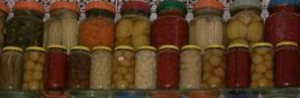
Una tavola di ricette Formaggi, pane, ortaggi, pasta, pesce e preparazioni fredde
Una raccolta nata da materiali didattici e ricette d’archivio, oggi ricostruita con pesi precisi, tecniche attuali e indicazioni di conservazione.
Prima pubblicazione: 5 febbraio 2008 · Aggiornamento: 2026A table of recipes Cheese, bread, vegetables, pasta, fish and cold preparations
A collection drawn from teaching materials and archive recipes, rebuilt with precise weights, current techniques and storage guidance.
First published: 5 February 2008 · Updated: 2026Eine Tafel voller Rezepte Käse, Brot, Gemüse, Pasta, Fisch und kalte Zubereitungen
Eine Sammlung aus Unterrichtsmaterialien und Archivrezepte, neu aufgebaut mit präzisen Mengen, aktuellen Techniken und Lagerungshinweisen.
Erstveröffentlichung: 5. Februar 2008 · Aktualisiert: 2026Dalla lezione alla ricetta ripetibile.
Sono state eliminate indicazioni vaghe. Gli ingredienti sono pesati e le fasi sensibili sono accompagnate da temperature, tempi e criteri di controllo.
From classroom notes to repeatable recipes.
Vague instructions have been removed. Ingredients are weighed and sensitive stages now include temperatures, timings and control points.
Von Unterrichtsnotizen zum reproduzierbaren Rezept.
Unklare Angaben wurden entfernt. Zutaten werden gewogen und kritische Schritte enthalten Temperaturen, Zeiten und Kontrollpunkte.
Non tutto poteva restare com’era.
Il tortino di acciughe ora prevede una cottura reale. La maionese usa uova pastorizzate. Il pesce marinato è descritto chiaramente come preparazione cruda.
Not everything could remain unchanged.
The anchovy timbale is now properly cooked. The mayonnaise uses pasteurised eggs. The marinated fish is clearly identified as a raw preparation.
Nicht alles konnte unverändert bleiben.
Das Sardellentörtchen wird nun tatsächlich gegart. Die Mayonnaise verwendet pasteurisiertes Ei. Der marinierte Fisch wird klar als rohe Zubereitung bezeichnet.
Nove preparazioni complete.
Nine complete preparations.
Neun vollständige Zubereitungen.
Crema di formaggi con acciughe, mandorle e pistacchistampo 1,2 litri · 8 porzioni
Ingredienti
- 200 g stracchino
- 200 g robiola
- 180 g gorgonzola dolce
- 180 g panna fresca 35%
- 100 g latte intero
- 8 g gelatina in fogli 200 Bloom
- 35 g mandorle pelate e tostate
- 1 g peperoncino tritato
- 2 g sale fino
- 0,5 g pepe bianco
- 45 g filetti di acciuga dissalati e asciugati
- 35 g pistacchi tostati e tritati
Procedimento
- Ammollare la gelatina in acqua fredda per 10 minuti.
- Scaldare il latte a circa 60°C e sciogliervi la gelatina strizzata.
- Lavorare stracchino, robiola e gorgonzola fino a ottenere una crema liscia; unire il latte a filo.
- Aggiungere mandorle, peperoncino, sale e pepe. Lasciare raffreddare fino a 25–28°C.
- Montare la panna a consistenza morbida e incorporarla delicatamente.
- Foderare lo stampo con pellicola, versare metà composto, disporre le acciughe e coprire con il resto.
- Refrigerare almeno 6 ore. Sformare e completare con pistacchi.
Nota 2026: Usare formaggi e panna pastorizzati. Conservare a 4°C e consumare entro 48 ore.
Panini ai cereali sulla piastracirca 18 pezzi
Ingredienti
- 250 g farina di forza
- 60 g farina di farro
- 40 g farina di grano saraceno
- 10 g lievito istantaneo per preparazioni salate
- 6 g sale
- 80 g strutto
- 50 g uovo sgusciato
- 115 g acqua fredda
Procedimento
- Mescolare le farine, il lievito e il sale.
- Sabbiare con lo strutto freddo, poi unire uovo e acqua.
- Impastare brevemente fino a massa omogenea; riposare 30 minuti coperto.
- Stendere a 8 mm e ritagliare dischi di 6–7 cm.
- Cuocere su piastra pesante a calore medio-basso, 4–5 minuti per lato, coprendo negli ultimi minuti.
- Servire tiepidi.
Nota 2026: La dose originale di strutto era eccessiva rispetto alla farina; è stata riequilibrata.
Pan nociato al miele amaro1 pagnotta da circa 750 g
Ingredienti
- 350 g farina di forza
- 100 g farina di farro
- 285 g acqua
- 8 g lievito di birra fresco
- 40 g miele di castagno
- 10 g sale
- 150 g gherigli di noce tostati
- 20 g semi misti per la superficie
Procedimento
- Sciogliere lievito e miele nell’acqua.
- Unire le farine e impastare fino a sviluppo iniziale del glutine.
- Aggiungere il sale e infine le noci.
- Lasciare lievitare 90 minuti, facendo una piega dopo 45 minuti.
- Formare la pagnotta, inumidire la superficie e applicare i semi.
- Far lievitare 50–70 minuti.
- Cuocere a 220°C con vapore per 15 minuti, poi a 195°C per 25–30 minuti, fino a 96–98°C al cuore.
- Raffreddare completamente su griglia.
Nota 2026: Il vecchio “lievito madre” con lievito di birra non era un vero lievito madre; la ricetta è stata riscritta come impasto diretto.
Torta di cipollestampo 26 cm · 8 porzioni
Ingredienti
- 200 g farina 00
- 125 g burro freddo
- 5 g sale
- 55 g acqua ghiacciata
- 600 g cipolle bionde affettate
- 40 g burro
- 3 g sale
- 0,5 g pepe nero
- 0,3 g pepe di Cayenna
- 250 g panna fresca
- 250 g latte intero
- 150 g uova sgusciate
- 40 g tuorli
- 2 g sale per l’appareil
Procedimento
- Sabbiare farina, burro e sale; unire l’acqua e impastare il minimo necessario.
- Refrigerare 60 minuti, stendere a 3 mm e foderare lo stampo.
- Cuocere in bianco a 190°C per 18 minuti con pesi e 7 minuti senza.
- Stufare lentamente le cipolle con burro e sale per 25–30 minuti, senza colorirle troppo. Raffreddare.
- Mescolare panna, latte, uova, tuorli, pepe e Cayenna.
- Distribuire le cipolle nel guscio, versare l’appareil e cuocere a 170°C per 35–45 minuti, fino a 72–75°C al centro.
- Riposare 20 minuti prima del taglio.
Nota 2026: La cottura finale è stata abbassata di temperatura e resa più lunga per ottenere una crema stabile.
Tortino di acciughe fresche, patate e pomodorostampo 20 cm · 6 porzioni
Ingredienti
- 300 g acciughe fresche pulite e deliscate
- 500 g patate farinose
- 400 g pomodori maturi
- 40 g olive nere snocciolate
- 45 g olio extravergine
- 15 g aceto di vino bianco
- 8 g erba cipollina
- 12 g basilico
- 5 g sale
- 1 g pepe
Vinaigrette
- 45 g olio extravergine
- 12 g succo di limone
- 10 g aceto di vino bianco
- 2 g sale
- 0,5 g pepe
Procedimento
- Rivestire lo stampo con carta forno e disporre le acciughe a raggiera, pelle verso il fondo.
- Lessare le patate, schiacciarle calde e condirle con 30 g olio, aceto, erba cipollina, sale e pepe.
- Sbollentare e pelare i pomodori, eliminare semi e acqua di vegetazione, tagliare a dadini.
- Saltare i pomodori con 15 g olio per 5–7 minuti; unire olive e basilico.
- Disporre prima il pomodoro e poi le patate sulle acciughe, pressando delicatamente.
- Cuocere a 190°C per 12–15 minuti, fino a completa cottura delle acciughe.
- Riposare 5 minuti, sformare e condire con la vinaigrette emulsionata.
Nota 2026: La versione originale non prevedeva una vera cottura del pesce. Ora il tortino viene cotto nello stampo.
Rose di lasagne agli asparagi e borragine8 rose
Ingredienti
- 150 g farina 00
- 50 g uovo sgusciato
- 10 g olio extravergine
- 2 g sale
- 400 g asparagi puliti
- 250 g borragine pulita
- 20 g olio extravergine
- 5 g aglio
- 15 g prezzemolo
- 30 g brandy
- 25 g burro
- 20 g farina 00
- 250 g latte intero
- 150 g panna fresca
- 3 g sale
- 0,5 g pepe
- 60 g Parmigiano Reggiano
- 15 g burro fuso
Procedimento
- Impastare farina, uovo, olio e sale; riposare 30 minuti e stendere sottile.
- Ricavare 4 sfoglie di circa 15 × 30 cm e sbollentarle 30 secondi. Raffreddare e asciugare.
- Sbollentare la borragine 1 minuto, raffreddare, strizzare e tritare.
- Saltare gli asparagi con olio, aglio e prezzemolo; eliminare gli aromi, sfumare con brandy e raffreddare.
- Preparare una besciamella con burro, farina e latte; cuocere 5 minuti, unire panna, sale e pepe.
- Spalmare poca salsa sulle sfoglie, distribuire asparagi e borragine, cospargere con 30 g Parmigiano e arrotolare.
- Raffreddare i rotoli 45 minuti in frigorifero, senza congelarli.
- Tagliare 8 rose, sistemarle in pirofila, completare con salsa, burro fuso e Parmigiano restante.
- Gratinare a 190°C per 18–22 minuti.
Nota 2026: Il titolo originale parlava di funghi, ma la ricetta contiene asparagi: il titolo è stato corretto.
Vellutata di avocado, brodo e sherry6 porzioni
Ingredienti
- 450 g polpa di avocado maturo
- 700 g brodo di pollo leggero
- 200 g panna fresca
- 30 g sherry secco
- 25 g succo di lime
- 6 g sale
- 0,5 g pepe bianco
- 80 g carote in julienne fine
- 10 g olio extravergine
Procedimento
- Portare il brodo a ebollizione e poi lasciarlo scendere a 75–80°C.
- Frullare avocado, panna, lime, sale, pepe e metà del brodo.
- Unire il brodo restante e lo sherry; frullare nuovamente.
- Per il servizio caldo, riscaldare dolcemente senza superare 80°C e senza bollire.
- Per il servizio freddo, raffreddare rapidamente e conservare a 4°C.
- Condire la julienne di carote con olio e un pizzico di sale e usarla come guarnizione.
Nota 2026: L’avocado non viene bollito: temperature elevate prolungate ne peggiorano colore e gusto. Consumare entro 24 ore.
Scodelline di pollo alla maltese8 scodelline
Ingredienti
- 500 g petto di pollo
- 700 g brodo di pollo
- 350 g patate
- 220 g punte di asparagi
- 120 g lattuga cappuccina
- 220 g maionese preparata con uova pastorizzate
- 100 g succo d’arancia
- 4 g scorza d’arancia
- 0,15 g zafferano
- 5 g sale
- 0,5 g pepe bianco
Procedimento
- Cuocere il pollo nel brodo a leggero fremito fino a 72–74°C al cuore. Raffreddare rapidamente.
- Lessare separatamente patate e asparagi; raffreddare e tagliare in dadi regolari.
- Mescolare maionese, succo e scorza d’arancia, zafferano, sale e pepe.
- Tagliare il pollo a dadi e unirlo a patate e asparagi.
- Condire con la salsa e refrigerare 30 minuti.
- Foderare 8 scodelline con lattuga asciutta e distribuire l’insalata.
Nota 2026: Per una preparazione fredda si utilizzano uova pastorizzate nella maionese. Conservare a 4°C e consumare entro 24 ore.
Pesce marinato al lime e latte di cocco8 porzioni · servizio crudo
Ingredienti
- 800 g filetto di tonno idoneo al consumo crudo, correttamente refrigerato e proveniente da fornitore affidabile
- 120 g succo di lime
- 300 g latte di cocco non zuccherato
- 120 g cipolla rossa affettata finissima
- 8 g sale
- 1 g pepe bianco
- 15 g coriandolo fresco facoltativo
Procedimento
- Mantenere il pesce sempre a 0–4°C e lavorarlo su attrezzatura perfettamente pulita.
- Tagliare il tonno in cubi di 18–20 mm.
- Condire con sale e 60 g di succo di lime; marinare in frigorifero per 15 minuti, non per ore.
- Scolare il liquido rilasciato.
- Mescolare latte di cocco, lime restante, cipolla e pepe.
- Condire il pesce immediatamente prima del servizio e completare con coriandolo.
- Servire subito, ben freddo. Non conservare gli avanzi.
Nota 2026: Il lime non rende sicuro il pesce crudo e non sostituisce il controllo della materia prima e della temperatura.
Cheese terrine with anchovies, almonds and pistachiostin 1,2 litri · 8 servings
Ingredients
- 200 g stracchino cheese
- 200 g robiola cheese
- 180 g mild gorgonzola
- 180 g cream 35%
- 100 g whole milk
- 8 g leaf gelatine 200 Bloom
- 35 g peeled toasted almonds
- 1 g chopped chilli
- 2 g fine salt
- 0,5 g white pepper
- 45 g desalted dried anchovy fillets
- 35 g toasted chopped pistachios
Method
- Soak the gelatine in cold water for 10 minutes.
- Heat the milk to about 60°C and dissolve the squeezed gelatine in it.
- Blend the cheeses until smooth and slowly add the milk.
- Add almonds, chilli, salt and pepper; cool to 25–28°C.
- Whip the cream softly and fold it in.
- Line the mould, add half the mixture, the anchovies and the remaining cheese mixture.
- Chill for at least 6 hours, unmould and finish with pistachios.
2026 note: Use pasteurised dairy products. Keep at 4°C and consume within 48 hours.
Griddle-cooked multigrain breadsabout 18 pieces
Ingredients
- 250 g strong flour
- 60 g spelt flour
- 40 g buckwheat flour
- 10 g instant baking powder for savoury baking
- 6 g sale
- 80 g lard
- 50 g egg
- 115 g cold water
Method
- Mix the dry ingredients.
- Rub in the cold fat, then add the liquid ingredients.
- Knead briefly and rest covered for 30 minutes.
- Roll to the stated thickness and cut.
- Cook on a heavy griddle over medium-low heat until cooked through.
- Serve warm.
2026 note: The original amount of lard was excessive and has been rebalanced.
Walnut bread with chestnut honey1 loaf da about 750 g
Ingredients
- 350 g strong flour
- 100 g spelt flour
- 285 g acqua
- 8 g fresh yeast
- 40 g chestnut honey
- 10 g sale
- 150 g toasted walnuts
- 20 g mixed seeds per la superficie
Method
- Dissolve yeast and honey in the water.
- Add the flours and knead until gluten begins to develop.
- Add salt and walnuts.
- Prove for 90 minutes, folding once after 45 minutes.
- Shape, moisten and cover with seeds.
- Prove for 50–70 minutes.
- Bake at 220°C with steam for 15 minutes, then at 195°C for 25–30 minutes, to 96–98°C internally.
- Cool completely.
2026 note: The old pre-ferment was not a true sourdough; the formula is now a direct dough.
Onion tarttin 26 cm · 8 servings
Ingredients
- 200 g plain flour
- 125 g cold butter
- 5 g sale
- 55 g iced water
- 600 g sliced yellow onions
- 40 g burro
- 3 g sale
- 0,5 g black pepper
- 0,3 g cayenne pepper
- 250 g cream
- 250 g whole milk
- 150 g eggs
- 40 g egg yolks
- 2 g sale per l’appareil
Method
- Make the pastry and chill for 60 minutes.
- Roll to 3 mm and line the tin.
- Blind bake at 190°C for 18 minutes with weights and 7 minutes without.
- Cook the onions gently for 25–30 minutes and cool.
- Mix cream, milk, eggs, yolks and seasoning.
- Fill the shell and bake at 170°C for 35–45 minutes, to 72–75°C in the centre.
- Rest for 20 minutes.
2026 note: The lower, longer final bake gives a smoother filling.
Fresh anchovy, potato and tomato timbaletin 20 cm · 6 servings
Ingredients
- 300 g cleaned fresh anchovies
- 500 g floury potatoes
- 400 g ripe tomatoes
- 40 g pitted black olives
- 45 g extra-virgin olive oil
- 15 g white wine vinegar
- 8 g chives
- 12 g basil
- 5 g sale
- 1 g pepe
Vinaigrette
- 45 g extra-virgin olive oil
- 12 g lemon juice
- 10 g white wine vinegar
- 2 g sale
- 0,5 g pepe
Method
- Line the tin and arrange the anchovies skin-side down.
- Cook and mash the potatoes; season while warm.
- Peel, seed and dice the tomatoes.
- Cook the tomatoes briefly and add olives and basil.
- Layer tomato and potato over the anchovies.
- Bake at 190°C for 12–15 minutes until the fish is fully cooked.
- Rest, unmould and dress with vinaigrette.
2026 note: The original method did not truly cook the fish; the timbale is now baked before unmoulding.
Lasagne roses with asparagus and borage8 roses
Ingredients
- 150 g plain flour
- 50 g egg
- 10 g extra-virgin olive oil
- 2 g sale
- 400 g prepared asparagus
- 250 g prepared borage
- 20 g extra-virgin olive oil
- 5 g garlic
- 15 g parsley
- 30 g brandy
- 25 g burro
- 20 g plain flour
- 250 g whole milk
- 150 g cream
- 3 g sale
- 0,5 g pepe
- 60 g Parmigiano Reggiano
- 15 g melted butter
Method
- Make the pasta, rest 30 minutes and roll thinly.
- Cut four sheets, blanch for 30 seconds, cool and dry.
- Blanch, squeeze and chop the borage.
- Cook the asparagus with aromatics, deglaze with brandy and cool.
- Make the sauce with butter, flour, milk and cream.
- Fill and roll the sheets.
- Chill the rolls for 45 minutes without freezing.
- Cut eight roses and arrange in a baking dish.
- Gratin at 190°C for 18–22 minutes.
2026 note: The original title mentioned mushrooms although the recipe contains asparagus.
Avocado velouté with broth and sherry6 servings
Ingredients
- 450 g ripe avocado flesh
- 700 g light chicken broth
- 200 g cream
- 30 g dry sherry
- 25 g lime juice
- 6 g sale
- 0,5 g white pepper
- 80 g fine carrot julienne
- 10 g extra-virgin olive oil
Method
- Bring the broth to the boil and let it fall to 75–80°C.
- Blend avocado, cream, lime, seasoning and half the broth.
- Add the remaining broth and sherry.
- For hot service, warm gently without exceeding 80°C.
- For cold service, chill rapidly and keep at 4°C.
- Garnish with seasoned carrot julienne.
2026 note: Do not boil avocado. Consume within 24 hours.
Maltese-style chicken cups8 cups
Ingredients
- 500 g chicken breast
- 700 g chicken broth
- 350 g patate
- 220 g asparagus tips
- 120 g butterhead lettuce
- 220 g mayonnaise made with pasteurised eggs
- 100 g orange juice
- 4 g orange zest
- 0,15 g saffron
- 5 g sale
- 0,5 g white pepper
Method
- Poach the chicken gently to 72–74°C internally and chill rapidly.
- Cook potatoes and asparagus separately, cool and dice.
- Mix mayonnaise with orange, saffron and seasoning.
- Dice the chicken and combine with vegetables.
- Dress and chill for 30 minutes.
- Line eight cups with dry lettuce and fill.
2026 note: Use pasteurised eggs for the mayonnaise. Keep at 4°C and consume within 24 hours.
Lime and coconut marinated fish8 servings · served raw
Ingredients
- 800 g tuna fillet suitable for raw consumption, properly refrigerated and from a reliable supplier
- 120 g lime juice
- 300 g unsweetened coconut milk
- 120 g very finely sliced red onion
- 8 g sale
- 1 g white pepper
- 15 g optional fresh coriander
Method
- Keep the fish at 0–4°C and work with perfectly clean equipment.
- Cut into 18–20 mm cubes.
- Season with salt and half the lime juice; marinate for 15 minutes only.
- Drain the released liquid.
- Mix coconut milk, remaining lime, onion and pepper.
- Dress immediately before serving.
- Serve at once and discard leftovers.
2026 note: Lime juice does not make raw fish safe and does not replace sourcing and temperature control.
Käseterrine mit Sardellen, Mandeln und PistazienForm 1,2 litri · 8 Portionen
Zutaten
- 200 g Stracchino
- 200 g Robiola
- 180 g milder Gorgonzola
- 180 g Sahne 35%
- 100 g Vollmilch
- 8 g Blattgelatine 200 Bloom
- 35 g geschälte geröstete Mandeln
- 1 g gehackte Chili
- 2 g feines Salz
- 0,5 g weißer Pfeffer
- 45 g entsalzte getrocknete Sardellenfilets
- 35 g geröstete gehackte Pistazien
Zubereitung
- Gelatine 10 Minuten in kaltem Wasser einweichen.
- Milch auf etwa 60°C erhitzen und die ausgedrückte Gelatine darin lösen.
- Käse glatt rühren und die Milch langsam einarbeiten.
- Mandeln, Chili, Salz und Pfeffer zugeben; auf 25–28°C abkühlen.
- Sahne weich aufschlagen und unterheben.
- Form auskleiden, Hälfte einfüllen, Sardellen auflegen und restliche Masse ergänzen.
- Mindestens 6 Stunden kühlen, stürzen und mit Pistazien vollenden.
Hinweis 2026: Pasteurisierte Milchprodukte verwenden. Bei 4°C lagern und innerhalb von 48 Stunden verbrauchen.
Mehrkornfladen von der Platteca. 18 Stück
Zutaten
- 250 g backstarkes Mehl
- 60 g Dinkelmehl
- 40 g Buchweizenmehl
- 10 g Backpulver für herzhaftes Gebäck
- 6 g sale
- 80 g Schmalz
- 50 g Ei
- 115 g kaltes Wasser
Zubereitung
- Trockene Zutaten mischen.
- Kaltes Fett einarbeiten, dann Ei und Wasser zugeben.
- Kurz kneten und 30 Minuten abgedeckt ruhen lassen.
- Ausrollen und ausstechen.
- Auf einer schweren Platte bei mittlerer bis niedriger Hitze vollständig garen.
- Warm servieren.
Hinweis 2026: Die ursprüngliche Schmalzmenge war zu hoch und wurde neu ausbalanciert.
Walnussbrot mit Kastanienhonig1 Laib da ca. 750 g
Zutaten
- 350 g backstarkes Mehl
- 100 g Dinkelmehl
- 285 g acqua
- 8 g frische Hefe
- 40 g Kastanienhonig
- 10 g sale
- 150 g geröstete Walnüsse
- 20 g gemischte Samen per la superficie
Zubereitung
- Hefe und Honig im Wasser lösen.
- Mehle zugeben und kneten, bis sich Gluten entwickelt.
- Salz und Walnüsse einarbeiten.
- 90 Minuten gehen lassen, nach 45 Minuten einmal falten.
- Formen, anfeuchten und mit Samen bestreuen.
- 50–70 Minuten gehen lassen.
- 15 Minuten bei 220°C mit Dampf, dann 25–30 Minuten bei 195°C bis 96–98°C Kerntemperatur backen.
- Vollständig auskühlen.
Hinweis 2026: Der alte Vorteig war kein echter Sauerteig; das Rezept ist nun ein direkter Teig.
ZwiebelkuchenForm 26 cm · 8 Portionen
Zutaten
- 200 g Weizenmehl
- 125 g kalte Butter
- 5 g sale
- 55 g Eiswasser
- 600 g geschnittene gelbe Zwiebeln
- 40 g burro
- 3 g sale
- 0,5 g schwarzer Pfeffer
- 0,3 g Cayennepfeffer
- 250 g Sahne
- 250 g Vollmilch
- 150 g Ei
- 40 g Eigelb
- 2 g sale per l’appareil
Zubereitung
- Teig herstellen und 60 Minuten kühlen.
- 3 mm ausrollen und die Form auskleiden.
- Bei 190°C 18 Minuten mit Gewichten und 7 Minuten ohne blindbacken.
- Zwiebeln 25–30 Minuten sanft garen und abkühlen.
- Sahne, Milch, Ei, Eigelb und Gewürze mischen.
- Füllen und bei 170°C 35–45 Minuten bis 72–75°C im Zentrum backen.
- 20 Minuten ruhen lassen.
Hinweis 2026: Die niedrigere und längere Endgarung ergibt eine glattere Füllung.
Törtchen aus frischen Sardellen, Kartoffeln und TomatenForm 20 cm · 6 Portionen
Zutaten
- 300 g geputzte frische Sardellen
- 500 g mehligkochende Kartoffeln
- 400 g reife Tomaten
- 40 g entsteinte schwarze Oliven
- 45 g natives Olivenöl extra
- 15 g Weißweinessig
- 8 g Schnittlauch
- 12 g Basilikum
- 5 g sale
- 1 g pepe
Vinaigrette
- 45 g natives Olivenöl extra
- 12 g Zitronensaft
- 10 g Weißweinessig
- 2 g sale
- 0,5 g pepe
Zubereitung
- Form auskleiden und Sardellen mit der Haut nach unten anordnen.
- Kartoffeln garen, zerdrücken und warm würzen.
- Tomaten häuten, entkernen und würfeln.
- Kurz garen, Oliven und Basilikum zugeben.
- Tomaten und Kartoffeln auf die Sardellen schichten.
- Bei 190°C 12–15 Minuten vollständig garen.
- Ruhen lassen, stürzen und mit Vinaigrette servieren.
Hinweis 2026: Die ursprüngliche Methode garte den Fisch nicht wirklich; das Törtchen wird nun vor dem Stürzen gebacken.
Lasagnerosen mit Spargel und Borretsch8 Rosen
Zutaten
- 150 g Weizenmehl
- 50 g Ei
- 10 g natives Olivenöl extra
- 2 g sale
- 400 g geputzter Spargel
- 250 g geputzter Borretsch
- 20 g natives Olivenöl extra
- 5 g Knoblauch
- 15 g Petersilie
- 30 g Brandy
- 25 g burro
- 20 g Weizenmehl
- 250 g Vollmilch
- 150 g Sahne
- 3 g sale
- 0,5 g pepe
- 60 g Parmigiano Reggiano
- 15 g geschmolzene Butter
Zubereitung
- Pastateig herstellen, 30 Minuten ruhen lassen und dünn ausrollen.
- Vier Blätter schneiden, 30 Sekunden blanchieren, kühlen und trocknen.
- Borretsch blanchieren, ausdrücken und hacken.
- Spargel mit Aromen garen, mit Brandy ablöschen und kühlen.
- Sauce aus Butter, Mehl, Milch und Sahne kochen.
- Füllen und aufrollen.
- 45 Minuten kühlen, nicht einfrieren.
- Acht Rosen schneiden und in eine Form setzen.
- Bei 190°C 18–22 Minuten gratinieren.
Hinweis 2026: Der ursprüngliche Titel nannte Pilze, obwohl das Rezept Spargel enthält.
Avocado-Velouté mit Brühe und Sherry6 Portionen
Zutaten
- 450 g reifes Avocadofruchtfleisch
- 700 g leichte Hühnerbrühe
- 200 g Sahne
- 30 g trockener Sherry
- 25 g Limettensaft
- 6 g sale
- 0,5 g weißer Pfeffer
- 80 g feine Karottenjulienne
- 10 g natives Olivenöl extra
Zubereitung
- Brühe aufkochen und auf 75–80°C abkühlen lassen.
- Avocado, Sahne, Limette, Gewürze und die Hälfte der Brühe pürieren.
- Restliche Brühe und Sherry zugeben.
- Warm nur sanft bis maximal 80°C erhitzen.
- Kalt rasch abkühlen und bei 4°C lagern.
- Mit gewürzter Karottenjulienne garnieren.
Hinweis 2026: Avocado nicht kochen. Innerhalb von 24 Stunden verbrauchen.
Maltesische Hähnchenschälchen8 Schälchen
Zutaten
- 500 g Hähnchenbrust
- 700 g Hühnerbrühe
- 350 g patate
- 220 g Spargelspitzen
- 120 g Kopfsalat
- 220 g Mayonnaise aus pasteurisiertem Ei
- 100 g Orangensaft
- 4 g Orangenschale
- 0,15 g Safran
- 5 g sale
- 0,5 g weißer Pfeffer
Zubereitung
- Hähnchen sanft bis 72–74°C Kerntemperatur garen und rasch kühlen.
- Kartoffeln und Spargel getrennt garen, kühlen und würfeln.
- Mayonnaise mit Orange, Safran und Gewürzen mischen.
- Hähnchen würfeln und mit dem Gemüse verbinden.
- Anmachen und 30 Minuten kühlen.
- Acht Schälchen mit trockenem Salat auskleiden und füllen.
Hinweis 2026: Für die Mayonnaise pasteurisiertes Ei verwenden. Bei 4°C lagern und innerhalb von 24 Stunden verbrauchen.
Marinierter Fisch mit Limette und Kokosmilch8 Portionen · roh serviert
Zutaten
- 800 g Thunfischfilet, für Rohverzehr geeignet, korrekt gekühlt und aus zuverlässiger Quelle
- 120 g Limettensaft
- 300 g ungesüßte Kokosmilch
- 120 g sehr fein geschnittene rote Zwiebel
- 8 g sale
- 1 g weißer Pfeffer
- 15 g optional frischer Koriander
Zubereitung
- Fisch stets bei 0–4°C halten und sauber arbeiten.
- In 18–20 mm große Würfel schneiden.
- Mit Salz und der Hälfte des Limettensafts 15 Minuten marinieren.
- Ausgetretene Flüssigkeit abgießen.
- Kokosmilch, restliche Limette, Zwiebel und Pfeffer mischen.
- Erst unmittelbar vor dem Servieren anmachen.
- Sofort servieren und Reste entsorgen.
Hinweis 2026: Limettensaft macht rohen Fisch nicht sicher und ersetzt weder Herkunfts- noch Temperaturkontrolle.
Dal 2008 al 2026.
Ricette pubblicate per la prima volta il 5 febbraio 2008 e aggiornate nel 2026 nelle dosi, nelle tecniche di preparazione e nelle indicazioni di conservazione.
From 2008 to 2026.
Recipes first published on 5 February 2008 and updated in 2026 for quantities, preparation techniques and storage guidance.
Von 2008 bis 2026.
Rezepte, erstmals am 5. Februar 2008 veröffentlicht und 2026 hinsichtlich Mengen, Technik und Lagerung aktualisiert.
- precise weights;
- clear temperatures;
- corrected titles and methods;
- modern food-safety notes.