Seeing hospitality through people, systems and decisions.
I help restaurants, hotels and hospitality projects understand how people, menus, operations and decisions influence each other before small problems become expensive.
Based in Cologne, I work in English and Italian across Germany, Europe and international hospitality contexts. For projects in Germany, German coordination can be managed in writing or with support when needed.
Leggere l’ospitalità attraverso persone, sistemi e decisioni.
Aiuto ristoranti, hotel e progetti hospitality a capire come persone, menu, operazioni e decisioni si influenzano prima che piccoli problemi diventino costosi.
Vivo a Colonia e lavoro in italiano e inglese in Germania, Europa e contesti internazionali. Per i progetti in Germania, il coordinamento in tedesco può essere gestito per iscritto o con supporto quando necessario.
Hospitality durch Menschen, Systeme und Entscheidungen verstehen.
Ich unterstütze Restaurants, Hotels und Hospitality-Projekte dabei zu verstehen, wie Menschen, Menüs, Abläufe und Entscheidungen einander beeinflussen, bevor kleine Probleme teuer werden.
Ich lebe in Köln und arbeite auf Italienisch und Englisch in Deutschland, Europa und internationalen Hospitality-Kontexten. Die Koordination auf Deutsch kann schriftlich oder bei Bedarf mit Unterstützung erfolgen.
I bring a systemic perspective to hospitality, helping businesses understand how people, menus, operations and decisions influence each other before small problems become expensive.
Porto una prospettiva sistemica nell’ospitalità, aiutando le imprese a capire come persone, menu, operazioni e decisioni si influenzano prima che piccoli problemi diventino costosi.
Ich bringe eine systemische Perspektive in Hospitality-Projekte und helfe Betrieben zu verstehen, wie Menschen, Menüs, Abläufe und Entscheidungen einander beeinflussen, bevor kleine Probleme teuer werden.
Most problems are rarely where people think they are.
Over the years, I learned that most problems are rarely where people think they are. The challenge is learning how to see them before they become expensive.
A menu problem is rarely only a menu problem. A team problem is rarely only a people problem. Poor profitability is rarely only a cost problem. Operational stress is rarely only a staffing problem.
More often, these symptoms appear when vision, governance, communication, operations and market reality stop working together.
I problemi raramente si trovano dove pensiamo.
Negli anni ho imparato che i problemi raramente si trovano dove sembrano. La vera sfida è imparare a vederli prima che diventino costosi.
Un problema di menu raramente è solo un problema di menu. Un problema di squadra raramente è solo un problema di persone. Una redditività debole raramente dipende solo dai costi. Lo stress operativo raramente dipende solo dalla mancanza di personale.
Più spesso, questi sintomi appaiono quando visione, governance, comunicazione, operazioni e realtà del mercato smettono di lavorare insieme.
Probleme liegen selten dort, wo man sie vermutet.
Im Laufe der Jahre habe ich gelernt, dass Probleme selten dort liegen, wo sie zunächst sichtbar werden. Die Herausforderung besteht darin, sie zu erkennen, bevor sie teuer werden.
Ein Menüproblem ist selten nur ein Menüproblem. Ein Teamproblem ist selten nur ein Personalproblem. Schwache Rentabilität ist selten nur ein Kostenproblem. Operativer Stress ist selten nur ein Besetzungsproblem.
Häufig entstehen diese Symptome dann, wenn Vision, Governance, Kommunikation, Abläufe und Marktrealität nicht mehr zusammenarbeiten.
Looking at restaurants through the system behind the plate
I do not look at restaurants only through dishes. I look at restaurants through the people, decisions, systems and tensions behind those dishes.
Food is often the most visible part of a hospitality business, but it is never isolated. Every dish carries traces of purchasing, preparation, timing, team culture, leadership, pricing, communication, guest expectation and market response.
This is where my work begins: not by replacing the original vision of a project, but by helping owners, chefs, managers and investors understand how that vision behaves when it meets daily operations.
Guardare il ristorante attraverso il sistema dietro il piatto
Non guardo i ristoranti solo attraverso i piatti. Li guardo attraverso le persone, le decisioni, i sistemi e le tensioni che esistono dietro quei piatti.
Il cibo è spesso la parte più visibile di un’attività hospitality, ma non è mai isolato. Ogni piatto porta tracce di acquisti, preparazione, tempi, cultura di squadra, leadership, prezzo, comunicazione, aspettative dell’ospite e risposta del mercato.
È qui che inizia il mio lavoro: non sostituendo la visione originale del progetto, ma aiutando proprietari, chef, manager e investitori a capire come quella visione si comporta quando incontra l’operatività quotidiana.
Restaurants durch das System hinter dem Teller lesen
Ich betrachte Restaurants nicht nur über ihre Gerichte. Ich betrachte sie über Menschen, Entscheidungen, Systeme und Spannungen hinter diesen Gerichten.
Essen ist oft der sichtbarste Teil eines Hospitality-Betriebs, aber niemals isoliert. Jedes Gericht trägt Spuren von Einkauf, Vorbereitung, Timing, Teamkultur, Führung, Preisgestaltung, Kommunikation, Gästeerwartung und Marktreaktion.
Genau hier beginnt meine Arbeit: nicht indem ich die ursprüngliche Vision eines Projekts ersetze, sondern indem ich Eigentümern, Chefs, Managern und Investoren helfe zu verstehen, wie sich diese Vision im täglichen Betrieb verhält.
Hospitality Diagnostic Session
A focused first step for restaurants, hotels, wine bars and independent hospitality projects that need clarity before committing to a larger consultancy.
The session looks at the visible problem and the system behind it: menu, identity, workflow, cost pressure, guest experience, decision-making and team reality.
Format
90–120 minutes online, or a half-day on site when the project needs direct observation.
Focus
Menu, concept, operations, preparation flow, guest experience, waste, pricing logic and internal communication.
Output
A written summary with the main issues, 3–5 operational priorities and possible next steps.
Working languages: English and Italian. For German projects, coordination can be managed in writing or with support when needed.
Sessione diagnostica hospitality
Un primo passo focalizzato per ristoranti, hotel, wine bar e progetti indipendenti che hanno bisogno di chiarezza prima di impegnarsi in una consulenza più ampia.
La sessione osserva il problema visibile e il sistema che lo produce: menu, identità, flussi di lavoro, pressione sui costi, esperienza dell’ospite, processi decisionali e realtà del team.
Formato
90–120 minuti online, oppure mezza giornata sul posto quando il progetto richiede osservazione diretta.
Focus
Menu, concept, operazioni, flusso di preparazione, esperienza dell’ospite, sprechi, logica dei prezzi e comunicazione interna.
Risultato
Una sintesi scritta con i problemi principali, 3–5 priorità operative e possibili passi successivi.
Lingue di lavoro: italiano e inglese. Per i progetti tedeschi, il coordinamento può essere gestito per iscritto o con supporto quando necessario.
Hospitality Diagnostic Session
Ein fokussierter erster Schritt für Restaurants, Hotels, Weinbars und unabhängige Hospitality-Projekte, die Klarheit brauchen, bevor sie sich auf eine größere Beratung einlassen.
Die Session untersucht das sichtbare Problem und das dahinterliegende System: Menü, Identität, Arbeitsabläufe, Kostendruck, Gästeerlebnis, Entscheidungsprozesse und Teamrealität.
Format
90–120 Minuten online oder ein halber Tag vor Ort, wenn direkte Beobachtung notwendig ist.
Fokus
Menü, Konzept, Abläufe, Vorbereitung, Gästeerlebnis, Verschwendung, Preislogik und interne Kommunikation.
Ergebnis
Eine schriftliche Zusammenfassung mit den wichtigsten Themen, 3–5 operativen Prioritäten und möglichen nächsten Schritten.
Arbeitssprachen: Italienisch und Englisch. Die Koordination auf Deutsch kann schriftlich oder bei Bedarf mit Unterstützung erfolgen.
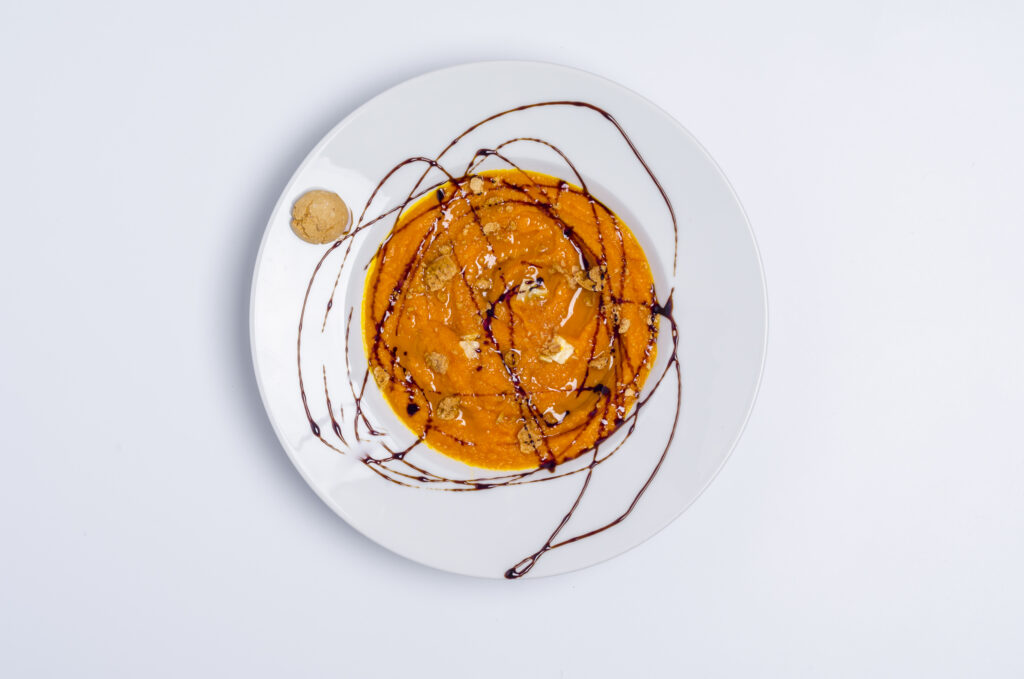
Food is the visible part. The system behind it is where most problems begin.
Il cibo è la parte visibile. Il sistema dietro di esso è dove iniziano molti problemi.
Essen ist der sichtbare Teil. Im System dahinter beginnen die meisten Probleme.
Vision, people, operations and market reality
Every hospitality project begins with an idea. Sometimes it is strong, personal and emotionally important. But an idea becomes a business only when it can survive contact with people, costs, timing, guests, repetition and pressure.
My role is to bring an experienced external perspective into that process. I observe how decisions are made, how information moves, how teams respond, how menus perform and how the market actually reacts.
The goal is not to make a project colder or more corporate. The goal is to make it clearer, more sustainable and more capable of supporting the people who work inside it.
Visione, persone, operazioni e realtà del mercato
Ogni progetto hospitality nasce da un’idea. A volte è forte, personale e importante sul piano emotivo. Ma un’idea diventa un’attività solo quando riesce a sostenere il contatto con persone, costi, tempi, ospiti, ripetizione e pressione.
Il mio ruolo è portare in questo processo una prospettiva esterna ed esperta. Osservo come vengono prese le decisioni, come circolano le informazioni, come reagiscono i team, come funzionano i menu e come risponde davvero il mercato.
L’obiettivo non è rendere il progetto più freddo o più aziendale. L’obiettivo è renderlo più chiaro, sostenibile e capace di sostenere le persone che ci lavorano.
Vision, Menschen, Abläufe und Marktrealität
Jedes Hospitality-Projekt beginnt mit einer Idee. Manchmal ist sie stark, persönlich und emotional wichtig. Doch eine Idee wird erst dann zu einem Betrieb, wenn sie dem Kontakt mit Menschen, Kosten, Timing, Gästen, Wiederholung und Druck standhält.
Meine Rolle besteht darin, eine erfahrene externe Perspektive in diesen Prozess einzubringen. Ich beobachte, wie Entscheidungen getroffen werden, wie Informationen fließen, wie Teams reagieren, wie Menüs funktionieren und wie der Markt tatsächlich antwortet.
Das Ziel ist nicht, ein Projekt kälter oder stärker corporate zu machen. Das Ziel ist, es klarer, nachhaltiger und tragfähiger für die Menschen zu machen, die darin arbeiten.
Governance in hospitality
In restaurants, governance is not an abstract word. It means understanding who decides, how decisions are made, which information is used, and what those decisions produce in the kitchen, in service and in the business.
Many hospitality projects struggle because decisions are based on personal taste, fear, habit, ego or incomplete information. A dish may stay on the menu because someone likes it, not because guests order it. A process may continue because nobody has measured the cost of keeping it.
Good governance helps reduce emotional noise. It creates clearer rules, better feedback, stronger communication and more useful data.
Governance nell’ospitalità
Nei ristoranti, governance non è una parola astratta. Significa capire chi decide, come vengono prese le decisioni, quali informazioni vengono usate e che cosa producono quelle decisioni in cucina, nel servizio e nell’attività.
Molti progetti hospitality faticano perché le decisioni si basano su gusto personale, paura, abitudine, ego o informazioni incomplete. Un piatto può restare in carta perché piace a qualcuno, non perché gli ospiti lo ordinano. Un processo può continuare perché nessuno ha misurato il costo di mantenerlo.
Una buona governance riduce il rumore emotivo. Crea regole più chiare, feedback migliori, comunicazione più forte e dati più utili.
Governance in Hospitality
In Restaurants ist Governance kein abstrakter Begriff. Es bedeutet zu verstehen, wer entscheidet, wie Entscheidungen getroffen werden, welche Informationen genutzt werden und was diese Entscheidungen in Küche, Service und Betrieb bewirken.
Viele Hospitality-Projekte haben Schwierigkeiten, weil Entscheidungen auf persönlichem Geschmack, Angst, Gewohnheit, Ego oder unvollständigen Informationen beruhen. Ein Gericht bleibt vielleicht auf der Karte, weil jemand es mag, nicht weil Gäste es bestellen. Ein Prozess bleibt bestehen, weil niemand seine tatsächlichen Kosten gemessen hat.
Gute Governance reduziert emotionales Rauschen. Sie schafft klarere Regeln, besseres Feedback, stärkere Kommunikation und nützlichere Daten.
What I observe
- How the menu reflects the real identity of the business.
- How dishes perform in the market, not only in the imagination of the owner or chef.
- How naming, pricing and description influence guest expectations.
- How kitchen flow, preparation systems and timing affect quality and stress.
- How communication works between owners, investors, chefs, managers and teams.
- How emotional decisions become operational problems.
- How small misalignments can become expensive if nobody sees them early.
Che cosa osservo
- Come il menu riflette l’identità reale dell’attività.
- Come i piatti performano sul mercato, non solo nell’immaginazione del proprietario o dello chef.
- Come nomi, prezzi e descrizioni influenzano le aspettative dell’ospite.
- Come flussi di cucina, sistemi di preparazione e tempi influenzano qualità e stress.
- Come funziona la comunicazione tra proprietari, investitori, chef, manager e team.
- Come le decisioni emotive diventano problemi operativi.
- Come piccoli disallineamenti possono diventare costosi se nessuno li vede in tempo.
Was ich beobachte
- Wie das Menü die tatsächliche Identität des Betriebs widerspiegelt.
- Wie Gerichte im Markt funktionieren, nicht nur in der Vorstellung von Eigentümer oder Chef.
- Wie Benennung, Preis und Beschreibung die Erwartungen der Gäste beeinflussen.
- Wie Küchenfluss, Vorbereitungssysteme und Timing Qualität und Stress beeinflussen.
- Wie Kommunikation zwischen Eigentümern, Investoren, Chefs, Managern und Teams funktioniert.
- Wie emotionale Entscheidungen zu operativen Problemen werden.
- Wie kleine Fehlanpassungen teuer werden können, wenn sie niemand früh erkennt.
A chef’s eye, beyond the kitchen
My background is culinary. I have worked as a chef, consultant, teacher and project developer across different countries, kitchens and hospitality cultures.
That experience matters because kitchens reveal things quickly. They show whether people understand each other, whether timing is respected, whether leadership is clear, whether preparation is realistic and whether a concept can actually be repeated under pressure.
Over time, I learned to read restaurants not only by tasting their food, but by observing how that food comes into existence: who decides it, who prepares it, who sells it, who serves it, who pays for it and who suffers when the system does not work.
Lo sguardo di uno chef, oltre la cucina
La mia formazione è culinaria. Ho lavorato come chef, consulente, insegnante e sviluppatore di progetti in paesi, cucine e culture hospitality diverse.
Questa esperienza conta perché le cucine rivelano le cose rapidamente. Mostrano se le persone si capiscono, se i tempi vengono rispettati, se la leadership è chiara, se la preparazione è realistica e se un concept può davvero essere ripetuto sotto pressione.
Nel tempo ho imparato a leggere i ristoranti non solo assaggiando il cibo, ma osservando come quel cibo prende forma: chi lo decide, chi lo prepara, chi lo vende, chi lo serve, chi lo paga e chi soffre quando il sistema non funziona.
Der Blick eines Chefs, über die Küche hinaus
Mein Hintergrund ist kulinarisch. Ich habe als Chef, Berater, Lehrer und Projektentwickler in unterschiedlichen Ländern, Küchen und Hospitality-Kulturen gearbeitet.
Diese Erfahrung ist wichtig, weil Küchen Dinge schnell sichtbar machen. Sie zeigen, ob Menschen einander verstehen, ob Timing respektiert wird, ob Führung klar ist, ob Vorbereitung realistisch ist und ob ein Konzept unter Druck wiederholbar bleibt.
Mit der Zeit habe ich gelernt, Restaurants nicht nur über den Geschmack ihrer Gerichte zu lesen, sondern über die Art, wie diese Gerichte entstehen: wer entscheidet, wer vorbereitet, wer verkauft, wer serviert, wer bezahlt und wer leidet, wenn das System nicht funktioniert.
Good hospitality is not only about creating beautiful moments. It is about building systems that allow people to create those moments again and again.
La buona ospitalità non consiste solo nel creare momenti belli. Consiste nel costruire sistemi che permettono alle persone di crearli ancora e ancora.
Gute Hospitality bedeutet nicht nur, schöne Momente zu schaffen. Sie bedeutet, Systeme zu bauen, die es Menschen ermöglichen, diese Momente immer wieder zu erzeugen.
Where this perspective is useful
This perspective can be useful when a hospitality project is opening, changing, growing, losing clarity or struggling to understand where pressure is really coming from.
- Restaurant openings and repositioning.
- Menu analysis and menu engineering.
- Concept development and culinary identity.
- Operational simplification.
- Team and workflow observation.
- Owner, investor and chef alignment.
- Guest experience and market response.
- Food formats, pop-ups and curated hospitality experiences.
Dove questa prospettiva è utile
Questa prospettiva è utile quando un progetto hospitality sta aprendo, cambiando, crescendo, perdendo chiarezza o cercando di capire da dove arriva davvero la pressione.
- Aperture e riposizionamento di ristoranti.
- Analisi del menu e menu engineering.
- Sviluppo del concept e identità culinaria.
- Semplificazione operativa.
- Osservazione del team e dei flussi di lavoro.
- Allineamento tra proprietario, investitore e chef.
- Esperienza dell’ospite e risposta del mercato.
- Format gastronomici, pop-up ed esperienze curate.
Wo diese Perspektive hilfreich ist
Diese Perspektive ist hilfreich, wenn ein Hospitality-Projekt eröffnet, sich verändert, wächst, Klarheit verliert oder verstehen muss, woher der tatsächliche Druck kommt.
- Restaurant-Eröffnungen und Neupositionierung.
- Menüanalyse und Menu Engineering.
- Konzeptentwicklung und kulinarische Identität.
- Operative Vereinfachung.
- Beobachtung von Team und Arbeitsabläufen.
- Abstimmung zwischen Eigentümer, Investor und Chef.
- Gästeerlebnis und Marktreaktion.
- Food-Formate, Pop-ups und kuratierte Hospitality-Erlebnisse.
The value of an external perspective
People inside a project are often too close to see the whole picture. Founders protect the original idea. Chefs protect the food. Investors protect the numbers. Managers protect daily functionality. Teams protect themselves from pressure.
None of this is wrong. It is human.
But when each part of the system sees only its own pressure, the business can lose clarity. An external perspective helps reconnect the parts: vision, people, operations, governance and market reality.
Il valore di una prospettiva esterna
Le persone dentro un progetto sono spesso troppo vicine per vedere l’insieme. I fondatori proteggono l’idea originale. Gli chef proteggono il cibo. Gli investitori proteggono i numeri. I manager proteggono la funzionalità quotidiana. I team proteggono se stessi dalla pressione.
Niente di tutto questo è sbagliato. È umano.
Ma quando ogni parte del sistema vede solo la propria pressione, l’attività può perdere chiarezza. Una prospettiva esterna aiuta a ricollegare le parti: visione, persone, operazioni, governance e realtà del mercato.
Der Wert einer externen Perspektive
Menschen innerhalb eines Projekts sind oft zu nah dran, um das Ganze zu sehen. Gründer schützen die ursprüngliche Idee. Chefs schützen das Essen. Investoren schützen die Zahlen. Manager schützen die tägliche Funktionalität. Teams schützen sich vor Druck.
Daran ist nichts falsch. Es ist menschlich.
Doch wenn jeder Teil des Systems nur den eigenen Druck sieht, kann der Betrieb Klarheit verlieren. Eine externe Perspektive hilft, die Teile wieder zu verbinden: Vision, Menschen, Abläufe, Governance und Marktrealität.
Continue through the parts of the site that matter most
Continua attraverso le pagine più importanti del sito
Weiter zu den wichtigsten Seiten der Website
Most hospitality projects don’t need more opinions. They need better questions.
If you are facing a challenge in your restaurant, hotel, team, menu or hospitality project, the first step can be a focused Diagnostic Session.
We look at what you think the problem is — and what the system around it may be showing.
Molti progetti hospitality non hanno bisogno di altre opinioni. Hanno bisogno di domande migliori.
Se stai affrontando una difficoltà nel tuo ristorante, hotel, team, menu o progetto hospitality, il primo passo può essere una sessione diagnostica focalizzata.
Guardiamo insieme ciò che pensi sia il problema — e ciò che il sistema intorno può realmente mostrare.
Die meisten Hospitality-Projekte brauchen nicht mehr Meinungen. Sie brauchen bessere Fragen.
Wenn du vor einer Herausforderung in Restaurant, Hotel, Team, Menü oder Hospitality-Projekt stehst, kann eine fokussierte Diagnostic Session der erste Schritt sein.
Wir betrachten, was du für das Problem hältst — und was das System darum herum tatsächlich zeigt.