Confettura di cipolle rosse e more al Porto
Una conserva scura, dolce-acida e speziata, nata nel 2012 e ancora attuale: cipolle rosse, more, Porto, vaniglia, aceto di mele e una memoria indiretta dei chutney indiani.
Red onion, blackberry and Port preserve
A dark, sweet-sour and spiced preserve from 2012 that still feels contemporary: red onions, blackberries, Port, Bourbon vanilla, apple cider vinegar and an indirect memory of Indian chutneys.
Konfitüre aus roten Zwiebeln, Brombeeren und Portwein
Eine dunkle, süß-saure und gewürzte Konserve aus dem Jahr 2012, die bis heute sehr aktuell wirkt: rote Zwiebeln, Brombeeren, Portwein, Bourbon-Vanille, Apfelessig und eine indirekte Erinnerung an indische Chutneys.
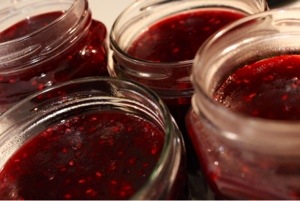
2012: una ricetta prima del linguaggio.
Questa preparazione appartiene a un momento preciso: il 2012. Era una fase in cui alcune cose si muovevano prima ancora di diventare metodo. C’era già stato il primo viaggio in India; c’era già stata quella contaminazione silenziosa dei chutney, delle conserve agrodolci, delle frutte cotte con spezie, acidi e zuccheri fino a diventare qualcosa che non era più solo accompagnamento.
Le cipolle rosse portavano dolcezza, acqua, fibra e una nota quasi carnosa. Le more portavano colore, acidità, buccia, seme, bosco. Il Porto aggiungeva profondità, frutta cotta, vino fortificato, ombra. La vaniglia Bourbon, usata con misura, non rendeva la conserva dolce da dessert: la rendeva più rotonda, più scura, più adulta.
Oggi la considero ancora molto attuale. Non come nostalgia del blog di allora, ma come oggetto gastronomico vivo: una confettura agrodolce capace di stare accanto a formaggi stagionati, terrine, carni fredde, fegato, selvaggina, maiale arrosto e pane scuro.
2012: a recipe before the language.
This preparation belongs to a precise moment: 2012. It was a time when some intuitions were already moving, before becoming a structured method. The first journey to India had already happened; the quiet influence of chutneys was already there: sweet-sour preserves, fruit cooked with spices, acids and sugars until they became something more than a simple accompaniment.
Red onions brought sweetness, water, fibre and an almost meaty quality. Blackberries brought colour, acidity, skin, seeds and forest. Port added depth, cooked fruit, fortified wine and shadow. Bourbon vanilla, used carefully, did not turn the preserve into dessert; it made it rounder, darker and more adult.
I still consider it very contemporary. Not as nostalgia for an old blog post, but as a living gastronomic object: a sweet-sour preserve for aged cheeses, terrines, cold meats, liver, game, roast pork and dark bread.
2012: ein Rezept, bevor es eine Sprache hatte.
Diese Zubereitung gehört zu einem bestimmten Moment: 2012. Es war eine Phase, in der manche Intuitionen schon da waren, bevor sie zu Methode wurden. Die erste Reise nach Indien hatte bereits stattgefunden; der stille Einfluss indischer Chutneys war schon spürbar: süß-saure Konserven, Früchte mit Gewürzen, Säure und Zucker gekocht, bis sie mehr wurden als nur eine Beilage.
Rote Zwiebeln bringen Süße, Wasser, Faser und fast fleischige Tiefe. Brombeeren bringen Farbe, Säure, Schale, Kerne und Wald. Portwein gibt Tiefe, gekochte Frucht, Likörwein und Schatten. Bourbon-Vanille, vorsichtig dosiert, macht die Konfitüre nicht zum Dessert, sondern runder, dunkler und erwachsener.
Ich halte diese Zubereitung bis heute für sehr aktuell. Nicht als Nostalgie eines alten Blogposts, sondern als lebendiges gastronomisches Objekt: eine süß-saure Konserve zu gereiftem Käse, Terrinen, kaltem Fleisch, Leber, Wild, Schweinebraten und dunklem Brot.
Confettura, chutney o conserva gastronomica?
Il titolo storico resta confettura di cipolle rosse e more al Porto. Tecnicamente, però, questa preparazione vive in una zona intermedia: non è una marmellata da colazione, non è una salsa fresca, non è un chutney indiano tradizionale. È una conserva gastronomica dolce-acida, con un impianto europeo e una memoria speziata più ampia.
La cipolla è un ingrediente a bassa acidità; le more e l’aceto correggono il profilo. Lo zucchero aiuta concentrazione, consistenza e conservabilità. Il Porto aggiunge complessità, ma non va considerato elemento di sicurezza. La sicurezza qui non nasce dalla poesia: nasce da peso, pulizia, pH, cottura, invasamento caldo e trattamento corretto.
Nota editoriale: questa versione aggiornata elimina l’uva rossa come alternativa. Le more sono più coerenti: più acide, più scure, più precise nel dialogo con cipolla e Porto.
Jam, chutney or gastronomic preserve?
The historical title remains red onion, blackberry and Port preserve. Technically, however, this preparation sits in between categories: it is not a breakfast jam, not a fresh sauce and not a traditional Indian chutney. It is a sweet-sour gastronomic preserve with a European structure and a wider spiced memory.
Onion is a low-acid ingredient; blackberries and vinegar help correct the profile. Sugar helps concentration, texture and keeping quality. Port adds complexity, but should not be treated as a safety factor. Safety here does not come from poetry: it comes from weighing, cleanliness, pH, cooking, hot filling and correct processing.
Editorial note: this updated version removes red grapes as an alternative. Blackberries are more coherent: more acidic, darker and more precise with onion and Port.
Konfitüre, Chutney oder gastronomische Konserve?
Der historische Titel bleibt Konfitüre aus roten Zwiebeln, Brombeeren und Portwein. Technisch liegt diese Zubereitung jedoch zwischen mehreren Welten: Sie ist keine Frühstückskonfitüre, keine frische Sauce und kein traditionelles indisches Chutney. Sie ist eine süß-saure gastronomische Konserve mit europäischer Struktur und breiter gewürzter Erinnerung.
Zwiebeln sind ein säurearmes Lebensmittel; Brombeeren und Apfelessig korrigieren das Profil. Zucker hilft bei Konzentration, Textur und Haltbarkeit. Portwein bringt Komplexität, ist aber kein Sicherheitsfaktor. Sicherheit entsteht hier nicht aus Poesie, sondern aus Wiegen, Sauberkeit, pH-Kontrolle, Kochen, heißem Abfüllen und korrekter Verarbeitung.
Redaktionelle Notiz: Diese aktualisierte Version streicht rote Trauben als Alternative. Brombeeren sind stimmiger: saurer, dunkler und präziser im Dialog mit Zwiebel und Portwein.
La parte romantica finisce quando arriva il vasetto.
The romantic part ends when the jar arrives.
Die Romantik endet, sobald das Glas kommt.
- Peso netto
Pesa cipolle già mondate e more già controllate. Le ricette di conserva non amano il pressappoco: il vasetto non perdona la poesia scritta male.Net weight
Weigh cleaned onions and sorted blackberries. Preserves do not like approximation: jars are not sentimental.Nettogewicht
Geputzte Zwiebeln und verlesene Brombeeren wiegen. Konserven mögen keine Ungenauigkeit: Das Glas ist nicht sentimental. - pH
Per conservazione in dispensa, usa un pH-metro calibrato. Obiettivo prudente: pH finale sotto 4,0. Se non misuri il pH, tratta la conserva come prodotto da frigorifero.pH
For pantry storage, use a calibrated pH meter. Conservative target: final pH below 4.0. If you do not measure pH, treat the preserve as a refrigerated product.pH-Wert
Für Lagerung im Vorratsschrank ein kalibriertes pH-Meter verwenden. Vorsichtiges Ziel: End-pH unter 4,0. Ohne pH-Messung als Kühlprodukt behandeln. - Vasetti
Usa vasetti integri, puliti e caldi, tappi nuovi o perfetti, bordo asciutto e senza residui. Lascia circa 5–6 mm di spazio in testa.Jars
Use sound, clean, hot jars, new or perfect lids, dry rims without residue. Leave about 5–6 mm headspace.Gläser
Unbeschädigte, saubere, heiße Gläser verwenden, neue oder einwandfreie Deckel, trockene Ränder ohne Reste. Etwa 5–6 mm Kopfraum lassen. - Bagnomaria
Il vecchio metodo del vasetto capovolto non è più la procedura da consigliare. Per dispensa: invasamento caldo e trattamento in bagnomaria bollente.Water bath
The old upside-down jar method is no longer the method to recommend. For pantry storage: hot filling and boiling-water processing.Kochendes Wasserbad
Das alte Umdrehen der Gläser ist nicht mehr die Methode, die man empfehlen sollte. Für Vorratshaltung: heiß abfüllen und im kochenden Wasserbad verarbeiten. - Controllo
Dopo 12–24 ore controlla il sottovuoto. Se un vasetto non è chiuso bene, va in frigorifero e consumato per primo.Checking
After 12–24 hours, check the seal. If a jar is not properly sealed, refrigerate and use first.Kontrolle
Nach 12–24 Stunden das Vakuum prüfen. Wenn ein Glas nicht richtig verschlossen ist, kühlen und zuerst verbrauchen. - Dopo apertura
Conserva in frigorifero e usa cucchiaio pulito. Muffa, gas, odore anomalo o tappo gonfio: non assaggiare, elimina.After opening
Keep refrigerated and use a clean spoon. Mold, gas, abnormal smell or bulging lid: do not taste, discard.Nach dem Öffnen
Im Kühlschrank lagern und einen sauberen Löffel verwenden. Schimmel, Gas, fremder Geruch oder gewölbter Deckel: nicht probieren, entsorgen.
La ricetta storica, resa più precisa.
Cipolla, mora, Porto, vaniglia: una conserva scura, lenta, non innocente. Dolce, ma con una lama acida.
Le schede si aprono cliccando. Ho separato ingredienti, macerazione, cottura, controllo della consistenza, invasamento e servizio.
The historical recipe, made more precise.
Onion, blackberry, Port, vanilla: a dark, slow preserve. Sweet, but with an acidic blade.
Open the cards by clicking. Ingredients, maceration, cooking, texture check, jar processing and service are separated.
Das historische Rezept, präziser formuliert.
Zwiebel, Brombeere, Portwein, Vanille: eine dunkle, langsame Konserve. Süß, aber mit einer säuerlichen Klinge.
Die Karten per Klick öffnen. Zutaten, Mazeration, Kochen, Konsistenzkontrolle, Gläserverarbeitung und Servieren sind getrennt.
Ingredienti e resaIngredients and yieldZutaten und Ausbeutebase
Ingredienti
- 700 g cipolle rosse, peso netto edibile
- 300 g more mature ma sane
- 350 g zucchero bianco
- 350 g zucchero di canna non raffinato
- 5 g sale fino
- 1 bacca di vaniglia Bourbon
- 250 ml Porto rosso, meglio Ruby
- 50 ml aceto di mele
Resa indicativa
- Circa 5–7 vasetti da 180–200 ml, secondo riduzione e larghezza della pentola.
- Allergeni e note: contiene vino e possibili solfiti dal Porto. Non è adatta a chi evita completamente alcol o solfiti.
La sostituzione con uva rossa è stata eliminata: le more sono più coerenti per acidità, colore e trama.
Ingredients
- 700 g red onions, net edible weight
- 300 g ripe but sound blackberries
- 350 g white sugar
- 350 g unrefined brown sugar
- 5 g fine salt
- 1 Bourbon vanilla pod
- 250 ml red Port, preferably Ruby
- 50 ml apple cider vinegar
Approximate yield
- About 5–7 jars of 180–200 ml, depending on reduction and pan width.
- Allergens and notes: contains wine and possible sulphites from Port. Not suitable for those avoiding alcohol or sulphites completely.
The red grape alternative has been removed: blackberries are more coherent in acidity, colour and texture.
Zutaten
- 700 g rote Zwiebeln, geputztes Nettogewicht
- 300 g reife, einwandfreie Brombeeren
- 350 g weißer Zucker
- 350 g unraffinierter Rohrzucker
- 5 g feines Salz
- 1 Bourbon-Vanilleschote
- 250 ml roter Portwein, am besten Ruby
- 50 ml Apfelessig
Ungefähre Ausbeute
- Etwa 5–7 Gläser zu 180–200 ml, je nach Reduktion und Topfbreite.
- Allergene und Hinweise: enthält Wein und möglicherweise Sulfite aus dem Portwein. Nicht geeignet für Menschen, die Alkohol oder Sulfite vollständig meiden.
Die Alternative mit roten Trauben wurde gestrichen: Brombeeren sind in Säure, Farbe und Textur stimmiger.
Macerazione e cotturaMaceration and cookingMazeration und Kochenprocedura
Procedura
- Lava rapidamente le more in acqua fredda e asciugale su carta o panno pulito. Scarta frutti molli, ammuffiti o fermentati.
- Monda le cipolle e affettale sottilmente nel senso della lunghezza, 2–3 mm.
- In una ciotola capiente unisci cipolle, sale e i due zuccheri. Mescola bene, copri e lascia riposare 6 ore al fresco.
- Trasferisci in una casseruola larga e non reattiva. Aggiungi more, Porto, aceto di mele e la bacca di vaniglia incisa per il lungo.
- Porta lentamente a ebollizione. Quando inizia a bollire, schiuma con cura.
- Cuoci a fuoco basso per circa 40 minuti, mescolando spesso. La massa deve addensare senza bruciare e senza caramellare in modo aggressivo.
- Elimina la bacca di vaniglia. Se vuoi una texture più fine, rompi parzialmente le more con una spatola, senza frullare completamente.
Pentola larga significa evaporazione più controllata. Pentola stretta significa cottura più lunga e rischio di nota cotta pesante.
Method
- Rinse blackberries quickly in cold water and dry on clean paper or cloth. Discard soft, moldy or fermented fruit.
- Trim onions and slice lengthwise, 2–3 mm thick.
- In a large bowl combine onions, salt and both sugars. Mix well, cover and rest in a cool place for 6 hours.
- Transfer to a wide non-reactive pan. Add blackberries, Port, apple cider vinegar and the vanilla pod split lengthwise.
- Bring slowly to the boil. As soon as it boils, skim carefully.
- Cook gently for about 40 minutes, stirring often. The mixture should thicken without burning or aggressive caramelisation.
- Remove the vanilla pod. For a finer texture, partially crush the blackberries with a spatula, without blending completely.
A wide pan gives controlled evaporation. A narrow pan means longer cooking and a heavier cooked note.
Zubereitung
- Brombeeren kurz in kaltem Wasser waschen und auf sauberem Papier oder Tuch trocknen. Weiche, schimmelige oder gärige Früchte entfernen.
- Zwiebeln putzen und der Länge nach fein schneiden, 2–3 mm.
- In einer großen Schüssel Zwiebeln, Salz und beide Zucker mischen. Abdecken und 6 Stunden kühl ziehen lassen.
- In einen breiten, nicht reaktiven Topf geben. Brombeeren, Portwein, Apfelessig und die längs aufgeschnittene Vanilleschote zugeben.
- Langsam zum Kochen bringen. Sobald es kocht, sorgfältig abschäumen.
- Etwa 40 Minuten sanft kochen, dabei oft rühren. Die Masse soll eindicken, ohne anzubrennen oder stark zu karamellisieren.
- Vanilleschote entfernen. Für feinere Textur die Brombeeren teilweise mit dem Spatel zerdrücken, aber nicht komplett mixen.
Ein breiter Topf gibt kontrollierte Verdampfung. Ein enger Topf bedeutet längeres Kochen und schwerere gekochte Noten.
Consistenza, pH e correzioniTexture, pH and adjustmentsKonsistenz, pH und Korrekturcontrollo
Controllo
- Metti un piattino in freezer per 10 minuti.
- Versa un cucchiaino di confettura sul piatto freddo. Aspetta 60 secondi e inclina il piatto.
- La consistenza corretta è densa ma non dura: deve scorrere lentamente, non diventare caramella.
- Se è troppo liquida, continua la cottura 10–15 minuti e ripeti il test.
- Prima dell’invasamento misura il pH, se possibile. Per questa ricetta aggiornata: obiettivo prudente pH < 4,0.
- Se il pH è più alto, aggiungi aceto di mele o succo di limone in piccole dosi, fai bollire 2 minuti e misura di nuovo.
Non cercare una gelatina rigida. La struttura ideale è nappante: deve stare su un formaggio, non rimbalzare come una gomma.
Check
- Put a small plate in the freezer for 10 minutes.
- Spoon a little preserve onto the cold plate. Wait 60 seconds and tilt the plate.
- The correct texture is thick but not hard: it should run slowly, not become candy.
- If too liquid, cook for another 10–15 minutes and test again.
- Before filling jars, measure pH if possible. For this updated recipe: conservative target pH < 4.0.
- If pH is higher, add apple cider vinegar or lemon juice in small amounts, boil 2 minutes and measure again.
Do not aim for a stiff jelly. The ideal texture is coating: it should sit on cheese, not bounce like rubber.
Kontrolle
- Einen kleinen Teller 10 Minuten in den Gefrierschrank stellen.
- Einen Teelöffel Konfitüre auf den kalten Teller geben. 60 Sekunden warten und den Teller neigen.
- Die richtige Konsistenz ist dick, aber nicht hart: Sie soll langsam laufen, nicht zu Bonbon werden.
- Wenn sie zu flüssig ist, 10–15 Minuten weiterkochen und erneut testen.
- Vor dem Abfüllen nach Möglichkeit den pH-Wert messen. Für diese aktualisierte Version: vorsichtiges Ziel pH < 4,0.
- Ist der pH höher, Apfelessig oder Zitronensaft in kleinen Mengen zugeben, 2 Minuten kochen und erneut messen.
Keine feste Gelatine suchen. Ideal ist eine überziehende Konsistenz: Sie soll auf Käse liegen, nicht wie Gummi springen.
Invasamento modernoModern jar processingModernes Abfüllensicurezza
Procedura prudente
- Prepara vasetti lavati, sterilizzati o comunque molto caldi, e tappi nuovi o perfettamente integri.
- Invasa la confettura bollente, lasciando 5–6 mm di spazio in testa.
- Pulisci i bordi con carta pulita inumidita. Chiudi senza forzare eccessivamente.
- Metti i vasetti in una pentola con griglia o panno sul fondo. Copri con almeno 2–3 cm di acqua.
- Porta a bollore e tratta in bagnomaria bollente per 10 minuti per vasetti piccoli, regolando i tempi secondo altitudine e norme locali.
- Estrai i vasetti senza inclinarli. Lascia fermi 12–24 ore.
- Controlla il sottovuoto. Etichetta con data e lotto.
- Conserva al fresco e al buio. Dopo apertura: frigorifero.
Il vecchio capovolgimento del vasetto non è il protocollo migliore da scrivere oggi su una pagina pubblica. Qui usiamo bagnomaria, controllo pH e controllo del sottovuoto.
Conservative procedure
- Prepare washed, sterilized or very hot jars, and new or perfectly sound lids.
- Fill with boiling-hot preserve, leaving 5–6 mm headspace.
- Wipe rims with clean damp paper. Close without overtightening.
- Place jars in a pot with a rack or cloth on the bottom. Cover with at least 2–3 cm water.
- Bring to a boil and process in a boiling-water bath for 10 minutes for small jars, adjusting time for altitude and local guidance.
- Remove jars without tilting. Leave undisturbed 12–24 hours.
- Check the seal. Label with date and batch.
- Store cool and dark. After opening: refrigerate.
The old upside-down jar method is not the best protocol to publish today. Here we use water-bath processing, pH control and seal checking.
Vorsichtiges Verfahren
- Saubere, sterilisierte oder sehr heiße Gläser vorbereiten, dazu neue oder einwandfreie Deckel.
- Die kochend heiße Konfitüre einfüllen und 5–6 mm Kopfraum lassen.
- Glasränder mit sauberem feuchtem Papier abwischen. Deckel schließen, aber nicht überdrehen.
- Gläser in einen Topf mit Gitter oder Tuch am Boden stellen. Mit mindestens 2–3 cm Wasser bedecken.
- Zum Kochen bringen und kleine Gläser 10 Minuten im kochenden Wasserbad verarbeiten; Zeit nach Höhe und lokalen Empfehlungen anpassen.
- Gläser ohne Kippen herausnehmen. 12–24 Stunden ungestört stehen lassen.
- Vakuum prüfen. Mit Datum und Charge etikettieren.
- Kühl und dunkel lagern. Nach dem Öffnen: Kühlschrank.
Das alte Umdrehen der Gläser ist heute nicht das beste Protokoll für eine öffentliche Rezeptseite. Hier verwenden wir Wasserbad, pH-Kontrolle und Vakuumkontrolle.
Servizio e abbinamentiService and pairingsServieren und Kombinationenuso gastronomico
Come usarla
- Formaggi stagionati: pecorino, caprini maturi, erborinati non troppo aggressivi.
- Terrine, paté, fegato, foie gras, carne fredda, maiale arrosto, selvaggina.
- Panini gastronomici con pane scuro, burro salato, formaggio o carne fredda.
- Piccole dosi in salsa: fondo bruno, aceto, senape, poca confettura.
Vino e bevande
- Porto Ruby o Tawny leggermente fresco, se la servi con formaggi o fegato.
- Lambrusco secco o rifermentato rosso: acidità e bollicina contro grasso e zucchero.
- Riesling Spätlese trocken o off-dry con formaggi erborinati.
- Tè nero affumicato o kombucha non dolce per una linea analcolica.
Dosaggio: poca. Deve essere una lama scura sul piatto, non una coperta matrimoniale di zucchero.
How to use it
- Aged cheeses: pecorino, mature goat cheese, not-too-aggressive blue cheeses.
- Terrines, pâtés, liver, foie gras, cold meat, roast pork, game.
- Gastronomic sandwiches with dark bread, salted butter, cheese or cold meat.
- Small amounts in sauces: brown stock, vinegar, mustard, a little preserve.
Wine and drinks
- Slightly chilled Ruby or Tawny Port with cheese or liver.
- Dry Lambrusco or red pet-nat: acidity and bubbles against fat and sugar.
- Riesling Spätlese trocken or off-dry with blue cheeses.
- Smoked black tea or dry kombucha for a non-alcoholic line.
Dose carefully. It should be a dark blade on the plate, not a wedding blanket of sugar.
Verwendung
- Gereifter Käse: Pecorino, reifer Ziegenkäse, nicht zu aggressive Blauschimmelkäse.
- Terrinen, Pasteten, Leber, Foie gras, kaltes Fleisch, Schweinebraten, Wild.
- Gastronomische Sandwiches mit dunklem Brot, Salzbutter, Käse oder kaltem Fleisch.
- Kleine Mengen in Saucen: dunkler Fond, Essig, Senf, etwas Konfitüre.
Wein und Getränke
- Leicht gekühlter Ruby oder Tawny Port zu Käse oder Leber.
- Trockener Lambrusco oder roter Pet-Nat: Säure und Perlage gegen Fett und Zucker.
- Riesling Spätlese trocken oder feinherb zu Blauschimmelkäse.
- Geräucherter Schwarztee oder trockener Kombucha als alkoholfreie Linie.
Vorsichtig dosieren. Es soll eine dunkle Klinge auf dem Teller sein, keine Zuckerdecke.
La modernizzazione necessaria.
Questa pagina mantiene la ricetta storica del 2012, ma aggiorna la parte igienico-sanitaria: niente semplice capovolgimento del vasetto, uso di spazio in testa, trattamento in bagnomaria bollente, controllo del sottovuoto e, dove possibile, controllo del pH. Riferimenti utili: National Center for Home Food Preservation e SDSU Extension.
The necessary update.
This page preserves the historical 2012 recipe but updates the food-safety section: no simple upside-down jar method, use of headspace, boiling-water processing, seal checking and, where possible, pH control. Useful references: National Center for Home Food Preservation and SDSU Extension.
Die notwendige Aktualisierung.
Diese Seite bewahrt das historische Rezept von 2012, aktualisiert aber den hygienisch-technischen Teil: kein einfaches Umdrehen der Gläser, sondern Kopfraum, Verarbeitung im kochenden Wasserbad, Vakuumkontrolle und, wenn möglich, pH-Kontrolle. Nützliche Referenzen: National Center for Home Food Preservation und SDSU Extension.
Vecchia ricetta, nuova responsabilità.
La parte più bella delle ricette vecchie è che portano ancora il gesto di allora. La parte più pericolosa è che spesso portano anche le leggerezze tecniche di allora.
Qui la memoria resta: cipolle rosse, more, Porto, vaniglia, il viaggio in India sullo sfondo. Ma la forma cambia: più precisione, più pulizia, più consapevolezza sulla conservazione.
Old recipe, new responsibility.
The beautiful part of old recipes is that they still carry the gesture of that time. The dangerous part is that they often also carry the technical looseness of that time.
Here the memory remains: red onions, blackberries, Port, vanilla, the journey to India in the background. But the form changes: more precision, more cleanliness, more awareness around preservation.
Altes Rezept, neue Verantwortung.
Das Schöne an alten Rezepten ist, dass sie noch die Geste ihrer Zeit tragen. Das Gefährliche ist, dass sie oft auch die technische Ungenauigkeit ihrer Zeit mitbringen.
Hier bleibt die Erinnerung: rote Zwiebeln, Brombeeren, Portwein, Vanille, die Indienreise im Hintergrund. Aber die Form ändert sich: mehr Präzision, mehr Sauberkeit, mehr Bewusstsein für Konservierung.
Altre pagine utili
Related pages
Weitere Seiten
Conserve, menu, fermentazioni e progetti gastronomici.
Se lavori su un ristorante, un hotel, una carta stagionale, un evento o un contenuto culinario e vuoi rendere più precisa la parte gastronomica, possiamo parlarne.
Preserves, menus, fermentations and gastronomic projects.
If you are working on a restaurant, hotel, seasonal menu, event or culinary content and want to make the food side more precise, we can talk.
Konserven, Menüs, Fermentationen und gastronomische Projekte.
Wenn Sie an einem Restaurant, Hotel, Saisonmenü, Event oder kulinarischen Inhalt arbeiten und die gastronomische Seite präziser machen möchten, können wir sprechen.